



Protect Your Smile After 60
Original Medicare doesn’t cover dental. We partner with top carriers to find the right plan for you.
Trusted Partners



Why Dental Health Matters After 60
- Prevents serious health complications like heart disease and diabetes
- Maintains proper nutrition through effective chewing
- Preserves confidence and social interactions
- Reduces risk of tooth loss and expensive emergency treatments
- Supports overall quality of life and independence

Dental Coverage Types
| Plan Type | Network | Dentist Choice | Referral Required | Cost Structure |
|---|---|---|---|---|
| PPO (Preferred Provider Organization) | Large network of contracted dentists; out-of-network dentists are also covered, but at a lower reimbursement rate. | High flexibility. You can see any dentist, but save money by choosing an in-network provider. | No | Typically involves a deductible, co-insurance (e.g., 80/20 for basic, 50/50 for major), and an annual maximum. Premiums are generally higher than HMOs. |
| HMO/DMO (Dental Maintenance Organization) | Restricted network of dentists. You must select a primary care dentist from this network. | Limited choice. You must choose a dentist from the plan’s network, and referrals are often needed for specialists. | Yes | Lower monthly premiums, fixed co-payments for services, and often no deductibles or annual maximums. Predictable costs. |
| Indemnity (Traditional) | No network restrictions. You can visit any licensed dentist. | Complete freedom to choose any dentist you prefer, without network limitations. | No | Higher premiums, often a deductible, and the plan pays a percentage of “usual and customary” fees. You pay the difference if the dentist charges more. |
| Dental Discount Plan | Specific network of participating dentists who have agreed to offer discounted rates. | You must choose a dentist from the plan’s list of participating providers to receive discounts. | No | Annual membership fee. You pay the discounted rate directly to the dentist at the time of service. No deductibles, co-pays, or annual maximums. |
What to Expect from Dental Insurance
Monthly Costs
Premiums typically range from $15-$50 per month, depending on coverage level and carrier.
Annual Coverage
Most plans have annual maximums between $1,000-$2,500 for covered services.
Waiting Periods
Basic services: immediate coverage. Major services: 6-12 month waiting periods may apply.
Coverage Splits
Preventive: 100%, Basic: 70-80%, Major: 50-60% coverage typical.
Our Carrier Partners
Ameritas
Known for comprehensive dental plans with strong network options and excellent customer service, often including vision and hearing benefits.

Delta Dental
The largest dental benefits provider in the U.S., offering a wide range of plans and an extensive network of dentists, making it easy to find care.

MetLife
Provides flexible dental plans with competitive rates and a large network, often integrated with other insurance products for convenience.
NCD Dental
Specializes in affordable dental plans, including options with no waiting periods for many services, ideal for immediate coverage needs.

Cigna
Offers a variety of dental plans with a focus on preventive care and wellness programs, providing access to a broad network of dentists.

Humana
A popular choice for seniors, offering dental plans that can be bundled with Medicare Advantage, featuring extensive networks and cost-sharing options.

Physicians Mutual
Known for straightforward dental insurance plans with no deductibles, no waiting periods for many services, and guaranteed acceptance.
Aetna
Offers a range of dental plans with a focus on comprehensive coverage and a large network of providers, often with options for vision and hearing.

Guardian
Provides robust dental insurance solutions with a strong emphasis on preventive care and a wide selection of plans to fit various budgets and needs.
Get Your Dental Options in Minutes
Don’t wait until you need expensive dental work. Compare plans and find coverage that fits your budget and needs.
Frequently Asked Questions
No, Original Medicare (Part A and Part B) generally does not cover routine dental care, such as cleanings, fillings, or dentures. It may only cover dental services that are part of a hospital stay or a medical emergency.
Seniors typically have several options, including PPO (Preferred Provider Organization), HMO/DMO (Dental Maintenance Organization), Indemnity plans, and Dental Discount Plans. Each type offers different levels of flexibility, cost structures, and provider networks.
Yes, many dental insurance plans have waiting periods, especially for major services like crowns or dentures. These periods can range from 3 to 12 months, depending on the service and the plan. Routine cleanings often have no waiting period or a very short one.
The cost of senior dental insurance varies widely based on the plan type, coverage level, your location, and the carrier. Premiums can range from $20 to $70 per month, with higher premiums often offering more comprehensive coverage and lower out-of-pocket costs.
A PPO plan offers more flexibility, allowing you to choose any dentist, though you’ll save money by staying within the network. An HMO/DMO plan typically requires you to select a primary dentist within its network and get referrals for specialists, often with lower premiums and fixed co-pays.
Dental Insurance Glossary
Deductible
The amount you must pay out-of-pocket for covered dental services before your insurance plan begins to pay.
Example: Before your dental insurance starts covering your root canal, you’ll need to meet your annual deductible.
Copayment (Copay)
A fixed amount you pay for a covered dental service, usually at the time you receive the service.
Example: For each routine cleaning, my dental plan requires a $25 copayment.
Coinsurance
Your share of the cost of a covered dental service, calculated as a percentage of the allowed amount for the service.
Example: After meeting her deductible, Mrs. Smith paid 20% coinsurance for her new crown, with the insurance covering the remaining 80%.
Annual Maximum
The maximum dollar amount a dental benefit plan will pay toward the cost of dental care within a benefit year.
Example: Many senior dental plans have an annual maximum of $1,500, meaning the insurer won’t pay more than that in a year.
Waiting Period
The period of time a person must wait before some or all of their dental benefits become active.
Example: Be aware that many plans have a 6-month waiting period for basic services and a 12-month waiting period for major services.
PPO (Preferred Provider Organization)
A type of dental plan where you can choose any dentist, but you pay less if you use dentists in the plan’s network.
Example: With a PPO plan, you have the flexibility to see your long-time family dentist, even if they’re out-of-network, though it might cost a bit more.
HMO/DMO (Health/Dental Maintenance Organization)
A type of dental plan that typically requires you to choose a primary care dentist within the network and get referrals for specialists.
Example: An HMO/DMO plan often has lower premiums but limits your choice of dentists to those within its specific network.
Indemnity Plan
A traditional dental insurance plan that allows you to choose any dentist and typically pays a percentage of the dentist’s fees after a deductible.
Example: Indemnity plans offer the most freedom in choosing a dentist, but you usually pay the dentist directly and then get reimbursed by the insurer.
Preventive Care
Dental services designed to prevent oral diseases, such as routine cleanings, exams, and X-rays.
Example: Most dental insurance plans for seniors cover 100% of preventive care services, encouraging regular check-ups.
Major Services
More extensive dental procedures, such as crowns, bridges, dentures, and oral surgery.
Example: After her waiting period, Mrs. Johnson’s plan covered 50% of the cost for her new dentures, which are considered major services..
Ready to Compare Dental Plans?
Take the first step toward protecting your oral health and your wallet.

Emergency Root Canal Saved Retirement Funds
M. Johnson, Age 72
Mary, a retired teacher, experienced sudden severe tooth pain. She was worried about the cost of a root canal, as her fixed income left little room for unexpected expenses. Her dental insurance plan covered a significant portion of the procedure, allowing her to get immediate treatment without dipping into her carefully saved retirement funds. She was back to enjoying her grandchildren’s visits pain-free.
Key Benefit:
Financial protection from unexpected dental emergencies.

Affordable Dentures Restored Confidence
Robert S., Age 68
Robert had been putting off getting new dentures for years due to the high cost. His old ones were ill-fitting and made eating and speaking difficult, impacting his social life. With his new dental plan, he found a provider who offered quality dentures with substantial coverage. He now enjoys meals with friends and family and feels much more confident.
Key Benefit:
Access to affordable restorative dental care.

Preventive Care Kept Her Smile Healthy
Evelyn P., Age 75
Evelyn understood the importance of regular dental check-ups but often skipped them to save money. After enrolling in a dental insurance plan, she started utilizing her benefits for two annual cleanings and exams. This proactive approach helped catch a small cavity early, preventing a more costly and invasive procedure down the line. Her dentist praised her improved oral health.
Key Benefit:
Encouraged and covered regular preventive dental care.
Every senior’s dental needs are unique. Let us help you find the right coverage for your situation.
Also Available Through Our Agency
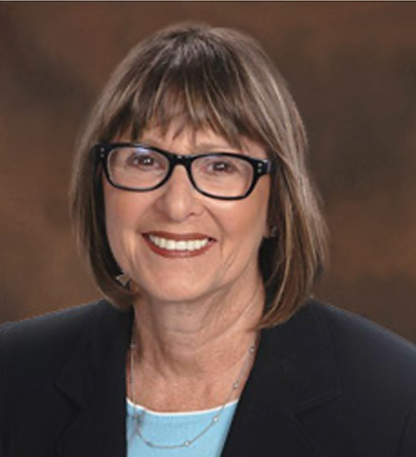
Long-Term Care Insurance with Leni Cohen, CLTC
Medicare covers very little long-term care. Our trusted LTC specialist Leni Cohen has spent decades helping families plan ahead — so a nursing home stay or in-home care event doesn't wipe out everything you've built.
- CLTC Certified
- All Major Carriers
- No-Pressure Consult