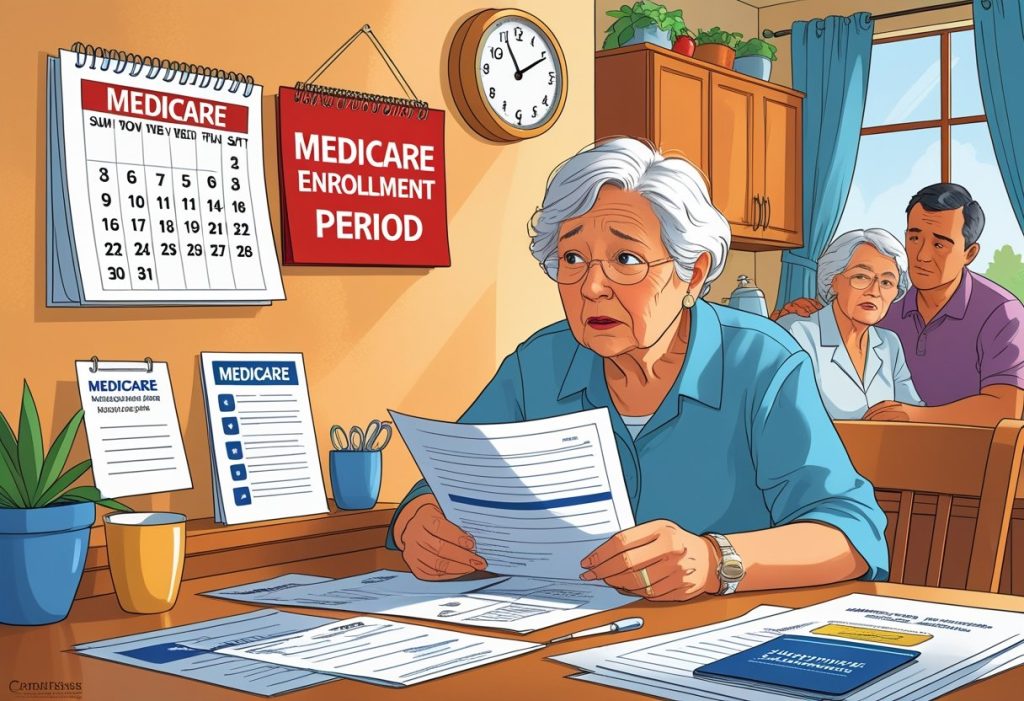
Missing your Medicare enrollment period can lead to confusion and potential penalties, but understanding your options can make all the difference. If you miss your enrollment window, you may face late enrollment penalties and delays in receiving coverage, which can impact your healthcare access. Fortunately, there are specific circumstances under which you can still enroll without incurring these penalties.
At The Modern Medicare Agency, we understand the complexities of Medicare enrollment. Our licensed agents are available to provide personalized assistance, ensuring you find the right Medicare packages that fit your needs without overwhelming fees. Speaking to a real person means you can ask questions and receive guidance tailored specifically to your situation.
Don’t let a missed deadline prevent you from obtaining the healthcare coverage you deserve. Take the next step by learning about your options and how you can navigate the enrollment process effectively with The Modern Medicare Agency.
Consequences Of Missing The Medicare Enrollment Period
Missing the Medicare enrollment period can lead to significant consequences affecting your healthcare coverage and finances. Understanding these consequences will help you manage your health needs effectively.
Immediate Loss Or Gaps In Medicare Coverage
If you miss your Medicare enrollment period, you face immediate gaps in coverage. This means you may not have access to essential health services, medications, or preventive care when you need them.
For individuals eligible for both Medicare Part A and Part B, missing the enrollment could lead to a lack of hospital and outpatient care. Without coverage, you will have to pay out-of-pocket for any medical services received during this time, which can be financially burdensome.
You may also miss opportunities to enroll in specific plans like Medicare Advantage or Part D. This exclusion can limit your options for comprehensive coverage tailored to your needs.
Delayed Access To Needed Health Services
Another consequence of missing the enrollment period is delayed access to necessary health services. This delay can have serious implications for managing chronic conditions or unexpected health issues.
Without enrollment, you might postpone doctor visits, specialist consultations, or necessary treatments. This situation can lead to deteriorating health and more complex medical issues down the line.
If you’re in need of specialized care, being uninsured or underinsured during this interval can complicate access to critical services. You may be forced to rely on urgent care facilities or emergency rooms, which often result in higher costs and less continuity of care.
Potential Out-Of-Pocket Medical Costs
Missing your Medicare enrollment can lead to significant out-of-pocket medical expenses. If you don’t enroll on time, late penalties apply for Medicare Part B, increasing your monthly premium by 10% for each year you delay enrollment.
In addition to penalties, you may face high costs for medical services. Uncovered expenses can quickly accumulate, leading to financial strain. Without Medicare coverage, hospitalization or procedures may require you to pay thousands of dollars upfront.
The Modern Medicare Agency can help prevent these situations. Our licensed agents take the time to understand your needs and find the Medicare packages that fit your requirements—all without extra fees. By ensuring you don’t miss important deadlines, we can keep you informed and fully covered.
Understanding Medicare Enrollment Periods
Navigating Medicare enrollment can be complex. Understanding the different enrollment periods is crucial for securing your health coverage without facing penalties or gaps in care. This section breaks down the Initial Enrollment Period, General Enrollment Period, Special Enrollment Periods, and distinguishes between the Annual Enrollment Period and other periods.
Initial Enrollment Period (IEP) Explained
The Initial Enrollment Period (IEP) is your first opportunity to enroll in Medicare. It spans seven months: three months before, the month you turn 65, and three months after that month. It’s essential to enroll during this time to avoid potential late enrollment penalties.
You may choose to sign up for Medicare Part A, Part B, or both. If you’re receiving Social Security benefits, you are automatically enrolled in Part A and Part B. If not, you’ll need to initiate the enrollment process.
Missing the IEP may lead to complications later. For instance, you might face premiums that are higher than if you had enrolled on time. Therefore, keeping track of this crucial timeframe is imperative.
General Enrollment Period (GEP) Overview
The General Enrollment Period (GEP) allows individuals who missed their IEP to enroll in Medicare. This period occurs annually from January 1 to March 31. If you enroll during the GEP, your coverage will start on July 1 of the same year.
During the GEP, you can sign up for Medicare Part A or Part B, but be aware that late enrollment penalties may apply. These penalties can increase your monthly premiums for as long as you have Medicare coverage.
It’s critical to understand that the GEP is only available to those who did not enroll during their IEP. Missing both could result in significant delays in obtaining Medicare benefits.
Special Enrollment Periods (SEP) And Eligibility
Special Enrollment Periods (SEPs) offer a way to enroll in Medicare outside of the regular enrollment windows. You qualify for an SEP under specific circumstances, such as losing employer health coverage or moving out of your current plan’s service area.
Typically, SEPs last for eight months following the end of your employment or health coverage. These periods are designed to accommodate life changes, ensuring you don’t miss out on essential coverage.
If you qualify for an SEP, you can make changes like enrolling in Part A or B, switching plans, or adding a prescription drug plan. Utilizing an SEP can help you avoid penalties associated with delayed enrollment.
Annual Enrollment Period Versus IEP And GEP
The Annual Enrollment Period (AEP) runs from October 15 to December 7 every year. During this time, you can switch between Medicare Advantage and Original Medicare and make modifications to your drug coverage.
Unlike the IEP or GEP, which are fixed enrollment windows with specific eligibility criteria, AEP is open to those already enrolled in Medicare. This period is your chance to review your existing plans and ensure they meet current healthcare needs.
It is essential to understand these distinctions to manage your Medicare effectively. Missing an opportunity to enroll or make changes can lead to unnecessary costs and complications. For expert guidance, The Modern Medicare Agency is here to help. Our licensed agents provide personalized support to identify Medicare packages that fit your needs without unexpected fees.
Late Enrollment Penalties And Their Impact
Missing your Medicare enrollment period can result in financial penalties that affect your healthcare costs for years. These penalties differ depending on which part of Medicare you missed, including Part B, Part D, and Part A. Understanding these repercussions is crucial for maintaining affordable coverage.
Part B Late Enrollment Penalty Details
If you delay enrolling in Medicare Part B beyond your initial eligibility, you face a 10% penalty for each full 12-month period you were eligible but did not enroll. This increase applies to your monthly premium and lasts for as long as you maintain your Part B coverage.
For example, if you delayed enrollment for 14 months, you would incur a 20% increase in your monthly premium. This penalty can significantly impact your financial situation, potentially leading to higher out-of-pocket expenses throughout your enrollment.
Part D Late Enrollment Penalty Calculation
The Part D late enrollment penalty is another significant cost. If you go 63 days or more without creditable drug coverage after your initial enrollment period, you incur a penalty when you finally enroll in a Medicare drug plan.
The penalty is calculated as 1% of the national base premium for each month you were without coverage. This amount is added to your monthly premium. As the base premium changes annually, this penalty can also vary. Ensuring you have credible coverage can save you from these unnecessary charges.
Part A Penalty For Those Without Premium-Free Eligibility
For individuals who do not qualify for premium-free Medicare Part A, missing the enrollment window results in a penalty as well. This penalty is assessed by increasing your monthly premium by 10% for twice the number of years you delayed enrollment.
For instance, if you waited two years to enroll, you would pay a 20% higher premium for as long as you are enrolled in Part A. This financial burden underscores the importance of understanding your eligibility and enrollment deadlines thoroughly.
Navigating these penalties can be complicated. Working with expert agents at The Modern Medicare Agency can simplify this process. Our licensed agents provide personalized guidance to identify Medicare packages that fit your specific needs, all while minimizing unnecessary expenses.
Qualifying For Special Enrollment Periods
You may qualify for a Special Enrollment Period (SEP) based on certain life events. Understanding these situations is vital for enrolling in Medicare without penalties or having to wait for the general enrollment period.
Loss Of Employer Or Job-Based Coverage
If you lose job-based coverage, you may be eligible for a Special Enrollment Period. You have eight months from the date of losing your employer coverage to enroll in Medicare.
This includes coverage under a spouse’s job. For those covered by COBRA, note that this temporary coverage does not count towards Medicare enrollment timelines. Ensure to apply promptly to avoid gaps in coverage.
Medicaid And Disability Situations
Individuals who become eligible for Medicaid can also qualify for a Special Enrollment Period. If you were enrolled in Medicaid and then lose it, you have the opportunity to enroll in Medicare seamlessly.
Similarly, if you receive Social Security Disability benefits for 24 months, you automatically qualify for Medicare. It’s important to stay informed about these transitions to ensure continuous health coverage.
Exceptional Life Circumstances
Certain exceptional life circumstances can also qualify you for a Special Enrollment Period. This includes events such as natural disasters, relocation to a new state, or other significant life changes that impact your coverage.
In these instances, you might be allowed to enroll or make changes to your plan outside the typical enrollment windows. Understanding the specific conditions that apply is essential for maintaining the necessary care.
Navigating the complexities of Medicare enrollment can be challenging. Partnering with The Modern Medicare Agency gives you access to licensed agents who are ready to assist. Our team ensures that you identify Medicare packages tailored to your needs without incurring extra fees.
What To Do If You Missed The Enrollment Period
Missing your Medicare enrollment period can create confusion and anxiety. It’s crucial to understand your options and how to proceed to ensure you receive the coverage you need.
Contacting The Social Security Administration
Your first step is to contact the Social Security Administration (SSA). They manage Medicare enrollment and can guide you on the next steps. You can visit your local SSA office or call their toll-free number.
Make sure you have necessary information ready, such as your Social Security number, birth date, and any other personal identification needed. The SSA can inform you about Special Enrollment Periods (SEPs) that apply to you based on specific circumstances, such as moving or losing health coverage.
Steps To Sign Up For Medicare After The Deadline
If you missed the enrollment deadline, you still have options. You may qualify for a Special Enrollment Period, which allows you to sign up. This period typically lasts for two to three months following a qualifying event, like job loss or the end of employer health coverage.
To sign up, visit the Medicare website or call 1-800-MEDICARE for assistance. You will need to provide some personal details and choose a coverage plan that meets your needs. Exploring options with a licensed agent from The Modern Medicare Agency can simplify this process.
Minimizing Gaps And Reducing Late Penalties
To avoid gaps in coverage, consider enrolling during a Special Enrollment Period as soon as you’re eligible. Missing this window may lead to late enrollment penalties, which can increase your monthly premiums significantly for Medicare Part B.
If you need additional guidance, working with The Modern Medicare Agency’s experts can help you identify coverage options without incurring extra fees. Our team ensures you find the right Medicare package for your needs, enabling you to avoid penalties and enhance your health coverage experience.
Navigating Your Coverage Options After Missing Enrollment
Missing the Medicare enrollment period does not mean you are out of options. You can explore alternatives such as Medicare Advantage, review employer and COBRA coverage implications, and implement strategies for upcoming enrollment periods.
Medicare Advantage And Prescription Drug Plans
If you missed the enrollment for a Medicare Advantage plan, you might still be eligible during special enrollment periods. These periods allow you to enroll with specific qualifying events, such as moving or losing other coverage.
Additionally, you may want to consider Medicare Part D for prescription drug coverage. If you choose a Medicare Advantage Plan that includes drug coverage, ensure it meets your medication needs. If you missed enrollment, you may be automatically reenrolled in your existing plan if it’s still available.
For personalized assistance, The Modern Medicare Agency offers licensed agents who can help identify the right packages for you, without hidden fees.
Reviewing Employer And COBRA Coverage Implications
If you or your spouse has employer-sponsored health coverage, this can affect your Medicare options. COBRA allows you to continue your employer health benefits temporarily, usually for up to 18 months.
While you are covered under COBRA, it’s essential to understand that you can still enroll in Medicare. However, if you do not enroll in Medicare Part B when first eligible, you might incur a late enrollment penalty later.
Consulting with a specialist at The Modern Medicare Agency can clarify how your current employer or COBRA coverage interacts with Medicare, ensuring you make informed choices.
Ongoing Strategies For Future Enrollment Periods
To avoid missing future enrollment deadlines, set reminders in advance. The annual enrollment period for Medicare runs from October 15 to December 7 each year.
Consider compiling a list of Medicare plans that meet your needs and reviewing them before this period. If your health needs change, staying informed will facilitate timely adjustments to your coverage.
Working with The Modern Medicare Agency empowers you to navigate these complexities with confidence. Our agents are available for one-on-one consultations, helping you choose the best options without overwhelming costs or uncertainties.
Frequently Asked Questions
Understanding the implications of missing a Medicare enrollment period can help you make informed decisions. Below are answers to common questions regarding penalties, consequences, eligibility, and special enrollment opportunities.
Why is there a penalty for not enrolling in Medicare on time?
Medicare imposes penalties to encourage timely enrollment. For example, if you delay signing up for Part B, your monthly premium may increase by 10% for each 12-month period you were eligible but didn’t enroll. This penalty continues for your entire time while you have Medicare.
What are the consequences of not signing up for Medicare at age 65?
Failing to enroll in Medicare at age 65 can lead to significant consequences. You may face delayed coverage and higher premiums. If you miss your Initial Enrollment Period, you could potentially experience gaps in health coverage, leaving you more vulnerable to unexpected medical expenses.
Can you enroll in Medicare after the initial enrollment period has ended?
Yes, you can enroll after your Initial Enrollment Period through the General Enrollment Period (GEP), which runs from January 1 to March 31 each year. Coverage initiated during the GEP begins on July 1. Keep in mind that late enrollment penalties may apply.
Are there any exceptions to the late enrollment penalty for Medicare?
There are specific exceptions to the late enrollment penalty. If you qualify for a Special Enrollment Period (SEP) due to losing employer-sponsored insurance, you can enroll without facing penalties. Other circumstances, such as moving, can also trigger a SEP to help avoid additional costs.
What is the Medicare Special Enrollment Period and who is eligible?
A Special Enrollment Period allows individuals to enroll in Medicare without penalties under certain conditions, such as losing other health coverage. Eligibility typically includes situations like retirement or if your employer insurance ends. Make sure to check the specific criteria based on your circumstances.
How does the Medicare 3-month rule affect enrollment?
The Medicare 3-month rule states that you can enroll three months before, the month of, or three months after you turn 65. This 7-month window is crucial for ensuring you don’t miss your opportunity and incur penalties. Enrolling early can help minimize coverage gaps.
For personalized guidance, consider reaching out to The Modern Medicare Agency. Our licensed agents can assist you in navigating your Medicare options, ensuring you find the right plan without unnecessary fees.