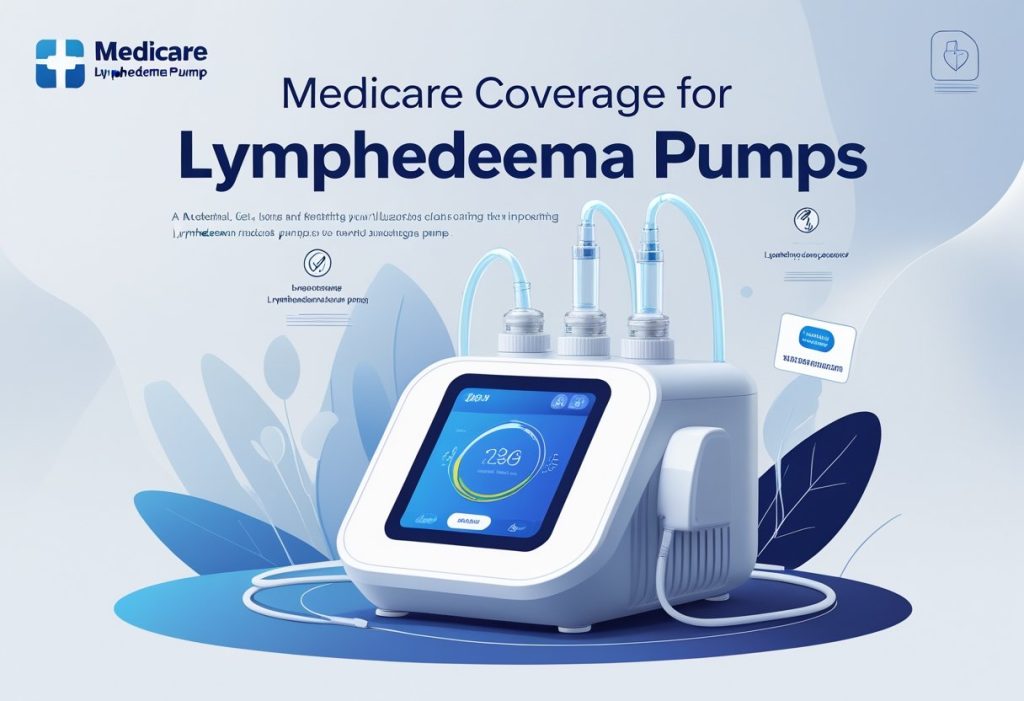
Medicare can cover lymphedema pumps when they are medically necessary and you meet specific Medicare rules. If a doctor documents that a pneumatic compression device is needed for lymphedema or related venous issues and you follow Medicare’s coverage steps, Medicare may pay for the device and certain supplies.
This article explains what counts as medical necessity, how to qualify, and what costs you might still owe.
You can get clear, one-on-one help from The Modern Medicare Agency to navigate these rules and find the Medicare plan that fits your needs and budget. Our licensed agents walk you through required paperwork, coverage criteria, and alternative payment options so you understand your chances for approval and any out-of-pocket costs.
Understanding Lymphedema and Its Impact
Lymphedema causes swelling, discomfort, and infection risk in a limb or body area. Proper care can reduce swelling, improve function, and lower hospital visits.
What Is Lymphedema
Lymphedema is fluid buildup in tissue when the lymphatic system cannot drain normally. You’ll most often see it in an arm or leg, but it can affect the trunk, neck, or face.
Early stages show mild swelling and tightness that may come and go. Later stages bring firm swelling, skin changes, and reduced movement.
Healthcare providers stage lymphedema to guide treatment and measure progress. A correct diagnosis often includes your medical history, physical exam, and sometimes imaging to map lymph flow.
Causes and Symptoms
Primary lymphedema comes from genetic or developmental issues with lymph vessels. Secondary lymphedema follows surgery, radiation, infection, trauma, or cancer that damages lymph nodes or vessels.
Common symptoms include:
- Persistent swelling in one limb or area
- Heaviness, tightness, or reduced range of motion
- Skin that becomes thickened, hard, or shows recurrent infections
Symptoms can start soon after an injury or years later. Noting when swelling first appeared and any related treatments helps your provider determine cause and plan care.
Importance of Lymphedema Management
Managing lymphedema lowers pain, prevents infections like cellulitis, and keeps you active. Left untreated, it can lead to progressive swelling, repeated infections, and long-term tissue changes.
Key treatments include compression garments, manual lymphatic drainage, exercise, skin care, and, when appropriate, pneumatic compression pumps. Medicare may cover certain services and durable medical equipment when medically necessary.
The Modern Medicare Agency helps you understand coverage options and connects you with licensed agents you can speak to 1-on-1. Choosing an agent who knows lymphedema coverage can speed access to needed supplies and treatments.
What Are Lymphedema Pumps
Lymphedema pumps are medical devices that move fluid from swollen limbs toward the body’s trunk. They use inflatable garments and a pump to apply controlled pressure cycles that help reduce swelling and ease discomfort.
How Lymphedema Pumps Work
Lymphedema pumps use air-filled chambers inside a sleeve or garment that fits over your arm, leg, or trunk. The pump inflates and deflates the chambers in a set sequence.
This creates a wave-like pressure that pushes lymph fluid from the far end of the limb toward the torso and lymph nodes. You usually set the pressure level and timing on the pump.
Treatments last from 30 minutes to an hour, and you can use them at home. A doctor prescribes the pump and sets medical goals, such as reducing limb volume or easing skin tightness.
You must follow fitting and use instructions closely. Poor fit or wrong pressure can cause discomfort or skin damage.
Your clinician will check your skin, circulation, and wound status before you start therapy.
Types of Lymphedema Pumps
Two main types exist: single-chamber and multi-chamber pumps. Single-chamber pumps inflate the whole sleeve at once and give uniform compression.
Multi-chamber pumps inflate chambers in sequence to mimic manual lymph drainage and move fluid more effectively. Portable battery-powered pumps let you use therapy at home or on the go.
Larger, console-style units provide stronger pressure and more program options but stay at home. Some devices cover just a limb; others include garments for the trunk, chest, or abdomen when swelling extends beyond a standard sleeve.
Your provider will pick the type based on the area affected, severity of swelling, mobility needs, and comfort. Custom-fitted garments may be needed when standard sleeves do not cover the affected area properly.
Benefits of Lymphedema Pump Therapy
Pumps reduce limb volume and temporarily ease tightness, heaviness, and pain. Regular use can improve skin condition and reduce the risk of infections by helping fluid flow more normally.
Many patients find pumps help them perform daily tasks with less discomfort. Pumps act as part of a full lymphedema plan, not a standalone cure.
Combining pump therapy with compression garments, skin care, exercise, and medical follow-up gives the best results. Medicare coverage often requires a clear diagnosis and proof that other treatments were tried first.
If you need help with Medicare coverage for lymphedema pumps, The Modern Medicare Agency can guide you. Our licensed agents are real people you can speak with one-on-one.
They match Medicare plans to your needs and work to avoid unnecessary fees while helping you get the devices and coverage you need.
Medicare Coverage For Lymphedema Pump Devices
Medicare can pay for lymphedema pump devices when you meet specific medical and documentation rules. Coverage depends on diagnosis, physician orders, and proof the device is medically necessary.
Medicare Eligibility Requirements
You must have a documented diagnosis of lymphedema or a related condition that causes chronic swelling. A physician must prescribe the pneumatic compression device and state that conservative treatments (like bandaging or manual lymph drainage) were tried and were not adequate.
Your medical record must show measurable edema and the need for an intermittent pneumatic compression device. Medicare also requires that the device is reasonable and necessary for home use.
Claims need correct ICD-10 diagnosis codes and documentation that supports ongoing need, not just a one-time visit. Your supplier must be enrolled in Medicare and the device must meet the durable medical equipment (DME) rules.
Keep copies of the physician’s order, progress notes, and supplier invoices to avoid denials.
Covered Lymphedema Pump Devices
Medicare typically covers pneumatic compression devices that provide intermittent, sequential pressure to move lymph fluid from the limb back into circulation. Covered items include the pump unit and any necessary sleeves or attachments furnished for home use.
Medicare will pay only for items that meet DME criteria: durable, primarily medical in purpose, and appropriate for use in the home. Accessories and replacement parts may be covered when they are necessary for the device to function.
Medicare does not cover elective or convenience items. If you need help choosing a covered device or understanding whether a particular model meets Medicare rules, contact The Modern Medicare Agency.
Our licensed agents talk with you one-on-one, explain coverage specifics, and find plans that match your needs without hidden fees.
Relevant Medicare Policy Updates
As of January 1, 2024, the Lymphedema Treatment Act expanded Medicare coverage for lymphedema compression treatment items. This change made more compression supplies and devices available under Part B when prescribed and documented properly.
Some local coverage rules and National Coverage Determination (NCD 280.6) details still affect coverage decisions. LCDs may change by contractor region, so coverage can vary by location.
Appeals or prior authorization processes may be needed for some claims. Work with a Medicare-enrolled supplier and a licensed agent to ensure paperwork and codes meet current rules.
The Modern Medicare Agency helps you navigate policy changes, submit documentation correctly, and avoid claim denials.
How To Qualify For Medicare Lymphedema Pump Coverage
You must show that the pump is medically necessary, provide clear medical records and a prescription, and work with a prescribing physician who documents ongoing need and treatment plans. Meeting these steps increases your chance of approval.
Medical Necessity Criteria
Medicare requires a clear medical reason for a lymphedema pump. You need a formal diagnosis of lymphedema or chronic swelling tied to a medical condition.
Your doctor must show that other treatments—like compression garments, manual lymph drainage, or exercise—did not control your swelling or are not sufficient alone. Medicare looks for objective signs such as measurable limb volume increase, skin changes, or repeated infections linked to the swelling.
The pump must be expected to improve your condition, reduce complications, or assist in daily function. Coverage follows rules in the National Coverage Determination, so requests that match those rules are more likely to be approved.
Required Documentation
You need specific, dated records to support coverage. Include the diagnosis, treatment history, measurements of limb size or documented swelling, notes on prior therapies tried, and results from those therapies.
Add documentation of recurrent infections or complications if they apply. A written prescription from a qualified physician must state the device type, frequency of use, and expected benefit.
Supply requests often need a supplier order form and a Certificate of Medical Necessity. Keep copies of all notes, tests, and referrals in case Medicare requests more information during review.
Role of Prescribing Physicians
Your prescribing physician must be licensed and experienced in treating lymphedema. They must write a detailed prescription that explains why the pump is needed and how it will be used.
The doctor should include clinical findings, prior treatment attempts, and measurable goals for therapy. Physicians may need to follow up and update Medicare with progress notes.
They should also coordinate with the DME supplier to ensure the pump model meets Medicare rules. Choosing The Modern Medicare Agency helps because our licensed agents connect you to local doctors and suppliers.
Our agents guide you through paperwork. You talk one-on-one with a real person who helps match Medicare plans and devices to your needs without extra fees.
Steps To Obtain Lymphedema Pump Coverage Through Medicare
You will need a medical diagnosis, a treating provider’s order, and a Medicare-enrolled DMEPOS supplier. Follow clear steps, submit required documents, and keep records so you can speed approval or appeal if denied.
Filing a Claim
First, get a written diagnosis of lymphedema from your treating provider. The order must state medical necessity for an intermittent pneumatic compression device (E0651/E0652) and include documentation of symptoms, prior treatments, and how the pump will help.
Next, choose a Medicare-enrolled DMEPOS supplier to submit the claim for you. The supplier will complete the Certificate of Medical Necessity (CMN) or any Medicare form required under NCD 280.6 and attach supporting notes.
Ask the supplier to confirm they will bill Medicare Part B. Keep copies of every document: the order, clinical notes, the CMN, and any supplier correspondence.
If Medicare requests more information, respond quickly. If Medicare approves, verify coverage dates, rental vs. purchase rules, and any cost-sharing you owe.
Appealing Denied Claims
If Medicare denies your claim, read the denial letter closely. It must state the reason and the deadline to appeal.
Note the date and the specific denial code—these guide your next steps. Start at the redetermination level by submitting a written appeal within the listed timeframe.
Include the original order, new clinical notes if available, and a cover letter that explains why the device is medically necessary. Ask your treating provider to write a supporting statement addressing the denial reason.
If redetermination fails, you can request a reconsideration and then a hearing before an Administrative Law Judge. Keep filing while meeting each deadline.
The Modern Medicare Agency can connect you with licensed agents who guide you through appeals and help gather the right medical evidence without extra fees.
Working With Durable Medical Equipment Suppliers
Choose a supplier enrolled with Medicare and experienced with lymphedema pumps. Confirm they accept Medicare assignment so you pay only the standard coinsurance and deductible rather than higher out-of-pocket charges.
Ask the supplier about paperwork they will submit: CMN, supplier notes, and delivery records. Verify whether they rent or sell the pump, the expected rental period, and maintenance or training included.
Get a signed written agreement that lists costs, rental terms, and supplier contact info. Stay in touch after delivery.
Track pump usage, symptom changes, and any problems. If you face a billing or coverage issue, contact The Modern Medicare Agency.
Our licensed agents speak with you one-on-one, review your Medicare options, and help you avoid unnecessary fees while matching plans to your needs.
Costs and Out-of-Pocket Expenses
Medicare can lower the price of a lymphedema pump, but you still face some routine costs. You may pay deductibles, coinsurance, and extra charges for fitted supplies or replacement parts.
Medicare Deductibles and Coinsurance
Medicare Part B covers durable medical equipment like lymphedema pumps when medically necessary. You must meet the Part B annual deductible first.
After that, Medicare usually pays 80% of the Medicare-approved amount and you pay the 20% coinsurance. If your pump requires custom fittings or repeated supplier visits, those services may trigger additional Part B charges.
Claims denied for missing documentation or an incorrect diagnosis can leave you responsible for the full cost. The Modern Medicare Agency’s licensed agents can review your plan and paperwork to limit claim denials and reduce surprises.
Additional Costs Not Covered
Medicare may not cover all accessories, replacement tubing, extra garments, or home delivery fees. Pumps that are rented under a competitive bid or from non-participating suppliers might lead to higher out-of-pocket costs.
You could also pay for maintenance, repairs, or upgrades if Medicare deems them not medically necessary. If you travel or change suppliers, you may face new fees or deposits.
The Modern Medicare Agency helps you compare supplier rules and likely out-of-pocket items so you pick options that keep costs down.
Impact of Medicare Supplemental Insurance
Medigap (Medicare Supplement) plans often cover the 20% coinsurance for Part B items, lowering your share for a lymphedema pump. Plan benefits vary, so one Medigap policy might cover repair costs while another does not.
If you have a Medicare Advantage plan instead, your copays and limits differ by contract—some plans cap annual costs, others require prior authorization.
Alternative Payment Options and Assistance Programs
You can use other programs and supports if Medicare won’t cover the full cost of a lymphedema pump. These options include state Medicaid rules, nonprofit help, and manufacturer assistance programs that may lower out‑of‑pocket costs.
Medicaid and Lymphedema Pumps
Medicaid coverage for lymphedema pumps varies by state. Some states cover pumps as durable medical equipment (DME) when a doctor documents medical necessity and prior authorization is obtained.
You should check your state’s Medicaid DME rules and ask about required paperwork, such as diagnosis codes, detailed physician notes, and trial documentation.
If you qualify for both Medicare and Medicaid (dual eligible), Medicaid often helps pay Medicare cost‑sharing like premiums, deductibles, and coinsurance.
Contact your state Medicaid office and provide your Medicare claim number to see what additional pump-related costs Medicaid will cover.
Nonprofit and Charity Support
Several nonprofits offer grants, low‑cost loans, or device loans for people with lymphedema. These programs often require proof of income, medical records, and a prescription for the pump.
Search local lymphedema organizations, disease‑specific foundations, and community health charities for available funds or equipment loan closets.
Application steps usually include a short form, documentation of financial need, and a physician’s statement. Turnaround time can range from days to weeks, so apply early.
Keep copies of all medical paperwork and claim denials; nonprofits often require them to confirm need.
Manufacturer Assistance Programs
Manufacturers sometimes offer patient assistance or rental programs for lymphedema pumps. Assistance can include discounts, temporary loans during insurance appeals, or payment plans.
Programs usually require a prescription and documentation of insurance denial or financial hardship.
Contact the manufacturer’s patient support line to learn program rules, eligibility, and required paperwork. Ask about rental-to-own options and whether they accept assignment of benefits from Medicare or Medicare Advantage plans.
Keep records of all communications and written program terms before accepting an offer.
Tips For Navigating Medicare Lymphedema Pump Coverage
Start by getting a clear diagnosis and a detailed treatment plan from your doctor. Medicare requires medical necessity documentation for pneumatic compression devices, so ask your provider to include specific symptoms, prior treatments, and expected benefits.
Check coverage rules under Medicare Part B and the Lymphedema Treatment Act changes. Know reorder limits and which items need a prescription or a face-to-face visit.
Keep copies of all paperwork and notes from appointments. Call 1-800-MEDICARE for official policy details, then compare that with personalized help.
File claims carefully and track them. If Medicare denies coverage, request a redetermination right away and gather supporting medical records.
Use the denial form process and keep a timeline of communications. Organize contacts and receipts in one place.
A short checklist helps: diagnosis, prescription, supplier information, claim numbers, and appeal letters.
Frequently Asked Questions
Medicare covers pneumatic compression devices and some lymphedema supplies when you meet specific medical rules. Coverage depends on diagnoses, prior conservative treatment, and documentation from your doctor.
What are the criteria for Medicare coverage of a pneumatic compression device?
You need a documented diagnosis of lymphedema or related condition. Your doctor must show that conservative treatments—like manual lymph drainage or compression garments—were tried first and did not work.
Medicare also requires proof the device is medically necessary. Your physician must submit clinical notes and specific diagnosis codes that match Medicare rules.
Does Medicare provide coverage for lymphedema treatment products and services?
Medicare Part B may cover durable medical equipment (DME) and certain supplies when prescribed by a doctor. Coverage includes items considered medically necessary for treatment, not routine or comfort-only products.
You may need prior authorization or adherence to Local Coverage Determinations, depending on your region. Keep all medical records and prescriptions to support your claim.
Are compression stockings for lymphedema patients covered under Medicare?
Medicare generally does not cover most off-the-shelf compression stockings. However, custom-fitted compression garments may qualify as DME if your doctor documents medical necessity.
You should get a supplier’s documentation and a fitting note from your provider.
What is the process for obtaining a lymphedema pump through Medicare?
First, get an evaluation and written order from your doctor showing medical necessity. Next, your doctor documents failed conservative therapy and provides supporting clinical notes and diagnosis codes.
Then a Medicare-authorized DME supplier submits the claim or prior authorization. You may owe coinsurance or a deductible under Part B.
Does Medicare cover the cost of a lymphedema machine, and if so, to what extent?
Medicare Part B can cover part of the cost for a covered pneumatic compression device as DME. You typically pay 20% of the Medicare-approved amount after meeting the Part B deductible.
Rental, purchase, or capped rental rules may apply based on Medicare policy and supplier contracts.
Are there any side effects or risks associated with the use of lymphedema pumps that Medicare covers?
Medicare does not directly cover side effects, but it covers medically necessary care for complications tied to lymphedema treatment.
Common issues include skin irritation, discomfort, or improper fitting that might need medical follow-up.
Report any adverse effects to your doctor so they can document care and adjust treatment.