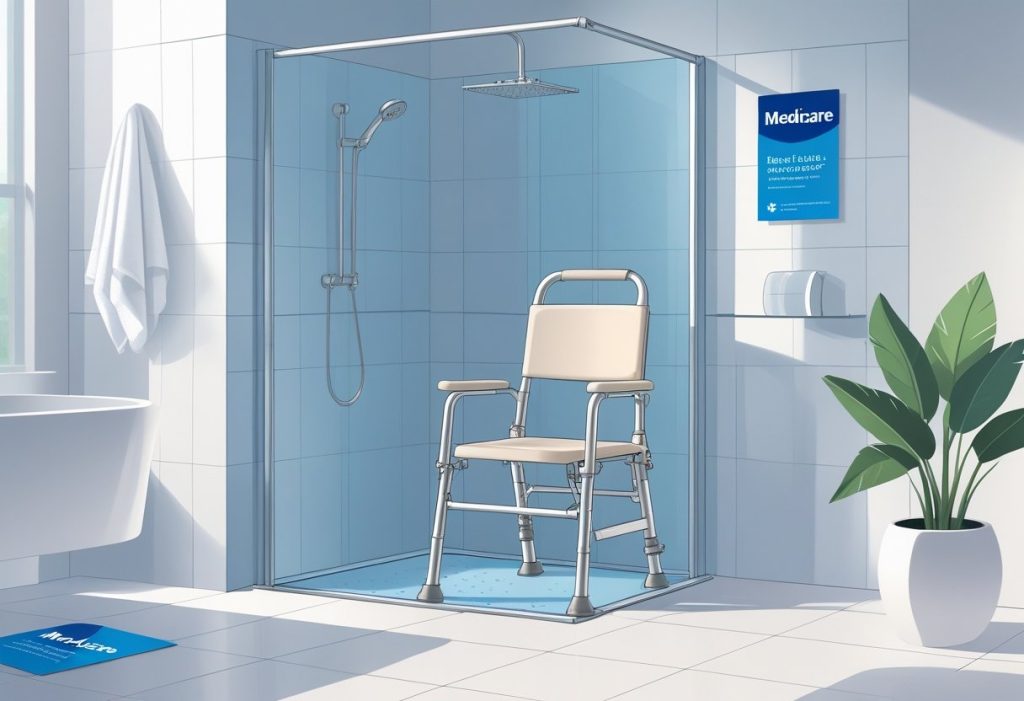
Wondering if Medicare will pay for a shower chair? Medicare sometimes covers shower chairs, but only when a doctor says the chair is medically necessary and you get it through a Medicare-approved supplier.
That makes coverage possible for some people, but not automatic.
You’ll find this article explains how Medicare classifies durable medical equipment, what proof you need, and how Medicare Advantage or other programs might help if Original Medicare doesn’t fully cover the cost. The Modern Medicare Agency can walk you through the rules, match you to plans that fit your needs, and connect you with licensed agents for one-on-one help without hidden fees.
Keep reading to learn which shower chairs might qualify, how to get a prescription and supplier approval, and what to do if a claim is denied.
Medicare Coverage Basics for Durable Medical Equipment
Medicare pays for certain medical items when they meet specific rules. You need a doctor’s order, the item must serve a medical purpose, and you often deal with Part B for coverage.
Definition of Durable Medical Equipment
Durable medical equipment (DME) are items ordered by a doctor for use in your home. DME must withstand repeated use, serve a medical purpose, and be appropriate for home use.
Examples include wheelchairs, hospital beds, oxygen equipment, and some walkers. Shower chairs are sometimes considered DME, but classification can vary.
The key is whether the item is primarily medical, not convenience-based. Keep the prescription and supplier documentation handy when you seek coverage.
The Modern Medicare Agency helps you know if your shower chair qualifies as DME. Our licensed agents explain which documentation matters and help you get the required prescription.
Medicare Part B Eligibility Requirements
Medicare Part B covers DME when three main conditions are met: a doctor prescribes the item, Medicare considers it medically necessary, and you get it from a Medicare-enrolled supplier. Part B generally pays 80% of the Medicare-approved amount after you meet the Part B deductible.
You must have Medicare Part B active when the item is provided. Some items require prior authorization or additional paperwork.
If your supplier is not enrolled with Medicare, you may pay full price or face billing issues. The Modern Medicare Agency connects you with suppliers who accept Medicare assignment.
Our agents walk you through deductibles, coinsurance, and any paperwork to reduce surprise costs.
How Medicare Determines Medical Necessity
Medicare looks for medical necessity, meaning the DME must be needed for diagnosis or treatment of an illness or injury. It must improve your function or help manage a medical condition.
Items used mainly for comfort, convenience, or household tasks typically do not meet the test. Documentation must show specific clinical reasons: your condition, how the equipment helps, and why alternatives won’t work.
A clear prescription, medical records, and supplier notes strengthen the case. Medicare may deny coverage if records are incomplete or if the item is seen as nonessential.
You can get help preparing the paperwork. The Modern Medicare Agency’s licensed agents review your doctors’ orders and records and advise on steps to support medical necessity determinations.
Does Medicare Cover Shower Chairs?
Medicare coverage for shower chairs depends on medical need, paperwork, and the plan you have. You may get help if a doctor says the chair is medically necessary, but limits and plan rules often apply.
Medicare’s Criteria for Shower Chair Coverage
Medicare covers durable medical equipment (DME) when it is medically necessary for treating an illness or injury. For a shower chair, that means your doctor must document that you cannot safely stand in the shower, have risk of falls, or need the chair to bathe because of a chronic condition.
Original Medicare (Part B) typically lists coverage rules that focus on function: the item must primarily serve a medical purpose and be durable for repeated use. Medicare Advantage plans can vary.
Some plans approve shower chairs more easily, others do not. Check specific plan formularies and DME lists.
If you need help comparing plans and finding one that covers bathroom safety items, The Modern Medicare Agency can help you find options that match your needs without extra fees.
Prescriptions and Documentation Needs
To get a shower chair covered, you generally need a written order from your doctor that describes the medical condition and explains why the chair is necessary. The order should include diagnosis codes, duration of need, and a clear statement that alternative treatments won’t work.
Medicare-approved suppliers may also require proof of prior authorization before filling the order. Keep copies of all documents: the doctor’s order, your medical records, and any prior authorization approvals.
Your supplier will bill Medicare Part B if the chair qualifies as DME. If Medicare denies the claim, you can appeal; documentation that shows safety risks or prior falls strengthens your case.
The Modern Medicare Agency’s licensed agents can help you collect the right paperwork and guide you through appeals.
Limitations and Exclusions
Medicare often excludes items used mainly for convenience or personal comfort. Shower chairs that are not designed as medical equipment or that serve a general household need may not qualify.
Medicare also may deny coverage if the supplier isn’t Medicare-approved or if the chair type doesn’t meet DME standards for safety and durability. Original Medicare won’t cover bathroom modifications like built-in bench seats or non-DME home renovations.
Coverage can also vary by region and by Medicare Advantage plan rules and networks. If you find gaps, The Modern Medicare Agency can review your plan options and suggest Advantage plans or supplemental choices that better cover bathroom safety items.
Their licensed agents are real people you can talk to one-on-one to find affordable solutions.
Types of Shower Chairs and Medicare Policy
Medicare coverage depends on the chair type, medical need, and a doctor’s prescription. Some chairs meet durable medical equipment (DME) rules and may be covered under Part B or a Medicare Advantage plan, while others usually require you to pay out of pocket.
Standard Shower Chairs
Standard shower chairs are small, non-wheeled seats you place inside a shower or tub. Medicare Part B may cover them only if a doctor documents a medical need—such as limited mobility or a risk of falling—and prescribes the chair as DME.
The chair must meet durability and safety standards set by Medicare. You often need documentation that you cannot safely stand while showering and that no simpler device will work.
If Medicare denies coverage, ask your provider for an appeal or check if your Medicare Advantage plan or The Modern Medicare Agency can find alternative coverage options for you.
Transfer Benches
Transfer benches straddle the tub edge so you can sit outside, then slide into the tub while seated. Medicare may cover a transfer bench when a physician prescribes it and shows that you cannot safely step over the tub wall.
The bench often qualifies as DME only when it replaces the need for assistance from another person. Make sure the prescription notes the specific safety risk and the bench’s medical necessity.
Medicare may cover certain models with backrests or armrests if they match the doctor’s order. Talk to The Modern Medicare Agency to review whether your plan or a Medicare Advantage option will pay for a transfer bench and to get help with required paperwork.
Rolling Shower Chairs
Rolling shower chairs have wheels and brakes for use in curbless roll-in showers or to move between rooms. Medicare coverage for rolling chairs is stricter.
Part B may cover them only when you have a clear medical need, such as being wheelchair-dependent and requiring a chair that supports transfers and transport for showering. Documentation must describe mobility limitations, the need for a wheeled seat, and why a standard chair won’t work.
If Medicare won’t pay, a Medicare Advantage plan might offer more flexibility. Contact The Modern Medicare Agency so a licensed agent can review your medical records and plan options and help you submit claims or appeals.
Obtaining a Shower Chair Through Medicare
You need a doctor’s written order, clear medical reasons, and a Medicare-approved supplier. Expect steps for approval, working with durable medical equipment (DME) suppliers, and possible out-of-pocket costs.
Steps for Getting Approval
Start by getting a written prescription and medical record notes from your doctor that state a condition affecting balance or mobility. The documentation should name the specific limitation (for example, “risk of falling while standing in shower”) and include diagnosis codes.
Ask your doctor for a detailed written order that lists the exact item you need (shower chair or commode/shower combo), how it will be used, and how long you expect to need it. Submit that order to a Medicare-approved DME supplier.
If you have Original Medicare (Part B), coverage depends on medical necessity and supplier approval. If you use a Medicare Advantage plan, check plan rules because some plans may handle this differently.
Keep copies of all paperwork and ask your supplier to confirm prior authorization if required.
Working With Durable Medical Equipment Suppliers
Choose a Medicare-approved supplier to avoid coverage problems. Confirm the supplier accepts Medicare assignment so you pay only required cost-sharing instead of higher non-assignment fees.
Tell the supplier you have a doctor’s order and provide any supporting notes. Ask these specific questions:
- Is the item covered under Medicare Part B or my Medicare Advantage plan?
- Do you file claims directly with Medicare?
- Will the model meet safety and durability standards for shower use?
Your supplier should help with claim filing and explain delivery, setup, and any trial or return policies. If the supplier denies coverage, request a written explanation and instructions for appealing.
Costs and Out-of-Pocket Expenses
If Medicare covers the shower chair under Part B, you usually pay 20% of the Medicare-approved amount after meeting the Part B deductible. Medicare pays the rest if the supplier accepts assignment.
Confirm the Medicare-approved price with your supplier up front. If Medicare denies coverage, ask about lower-cost options like non-covered models or community programs.
Medicare Advantage plans may offer extra benefits that reduce your costs, but benefit details vary by plan. The Modern Medicare Agency can connect you with a licensed agent to review your plan, compare options, and help document medical necessity without extra fees.
Alternative Paths for Shower Chair Assistance
You can often find help outside Original Medicare. Options include Medicare Advantage plans that may cover equipment, state Medicaid programs with home safety benefits, and local groups or grants that give free or low-cost shower chairs.
Medicare Advantage Plan Options
Medicare Advantage plans (Part C) sometimes include durable medical equipment and extra benefits that Original Medicare does not cover. Check plan summaries and the Evidence of Coverage to see if a shower chair is listed under DME or preventive/home safety benefits.
Call plan customer service and ask if a shower chair needs a doctor’s order, specific suppliers, or preauthorization. Ask about cost sharing, prior authorization steps, and whether the plan will cover a rental or purchase.
If you enroll through The Modern Medicare Agency, a licensed agent will review plan details with you and explain any out‑of‑pocket costs. If a plan denies coverage, request a written denial and appeal.
Keep all documentation: orders, notes, and prior authorizations. Your agent at The Modern Medicare Agency can help file appeals and guide you to plans that better match your needs without extra fees.
State Medicaid Programs
Many state Medicaid programs cover home modifications and DME for eligible enrollees, including shower chairs. Coverage rules vary by state and by program (traditional Medicaid vs. Medicaid waivers for home- and community-based services).
Contact your state Medicaid office or check your Medicaid member handbook for DME or personal care equipment policies. You will likely need proof of medical necessity from a doctor and documentation of income or eligibility.
If you qualify for a waiver program, case managers can arrange home safety items directly. Work with The Modern Medicare Agency to confirm whether you qualify for Medicaid or dual eligibility.
Their licensed agents can point you to your state’s waiver contacts and help gather the paperwork required to speed approval.
Community Organizations and Grants
Local nonprofits, senior centers, and veterans’ groups sometimes provide free or low-cost shower chairs. Search community resources, aging services, or disability advocacy groups in your county for equipment loan closets or one-time grants.
Apply to community programs with a simple needs statement, doctor’s note, and proof of income if required. Charitable medical equipment banks often accept phone or online requests and may deliver to your home.
The Modern Medicare Agency can refer you to known local resources and help prepare application materials. Their agents work directly with you to find low-cost options and guide you through grant or donation requests.
Common Issues and How to Address Denials
You may face denials for shower chairs for several common reasons, but you can contest decisions and improve approval chances by gathering the right documents, working with your doctor, and using expert help.
Reasons for Medicare Denial
Medicare often denies shower chair claims because the item is seen as non-medical or not “reasonable and necessary.” Common denial reasons include missing or vague doctor notes, lack of clear diagnosis, or using a supplier that does not accept Medicare assignment.
If documentation does not state why you need the chair for mobility or fall prevention, Medicare sees it as a comfort item. Another frequent problem: the supplier bills the wrong benefit category, which delays approval or causes rejection.
Also, Original Medicare (Part A/B) rarely covers shower chairs unless tied to a qualifying durable medical equipment (DME) claim.
Appealing a Medicare Decision
Start appeals quickly; deadlines matter. Request a “redetermination” with Medicare Administrative Contractor within the time listed on your denial notice—usually 120 days.
Include a detailed physician’s order that explains your mobility limits, specific functional deficits, and why a shower chair is medically necessary. If redetermination fails, you can request a reconsideration by a qualified independent contractor and then move to a hearing before an administrative law judge.
Each step needs concise, focused medical evidence. Keep copies of all paperwork and track dates.
You can also ask a licensed agent at The Modern Medicare Agency to review your case and help file paperwork.
Tips for Improving Approval Odds
Get a clear, written prescription from your doctor. The order should state specific functional limits (for example, inability to stand safely for 5–10 minutes) and tie the chair to fall prevention or safe bathing.
Use a supplier that accepts Medicare assignment and submits claims correctly. Provide photos or a short therapist assessment if possible.
Work with The Modern Medicare Agency so you can talk to a licensed agent one-on-one. Our agents review your policy, check whether Medicare or your Medicare Advantage plan might help, and guide you through the appeal steps without adding extra fees.
Frequently Asked Questions
Medicare often covers specific bathroom aids when a doctor documents medical need. Medicare Advantage plans may add extra benefits.
The Modern Medicare Agency can help you find the right plan and walk you through the rules.
What durable medical equipment does Medicare cover for bathroom safety?
Medicare Part B covers durable medical equipment (DME) that your doctor prescribes for use at home. Items related to bathroom safety can include grab bars, raised toilet seats, and certain shower or tub transfers if they meet DME rules.
Coverage focuses on equipment that serves a medical purpose and helps treat or manage a diagnosed condition. Routine household items or general safety modifications typically are not covered.
Are shower chairs considered durable medical equipment by Medicare?
Shower chairs may qualify as DME only if a doctor states the chair is medically necessary. Medicare’s standard rules require the item be durable, used for a medical reason, and needed for a chronic condition.
Simple bath seats for general safety often do not meet Medicare’s strict DME definition. You need clear medical documentation tying the chair to treatment or mobility limitations.
How can one qualify for a bathroom safety aid through Medicare?
You must have a signed prescription or order from a licensed doctor that explains the medical need. The doctor must document how the aid treats or manages a specific condition and why alternatives won’t work.
Keep records of doctor notes and any functional assessments. Proper paperwork improves your chance of coverage.
What does it take to have a shower chair covered by Medicare?
A treating physician must document the medical necessity and write a prescription for the shower chair. Your doctor’s notes should explain your diagnosis, functional limits, and why the chair is required for safe bathing.
You may need to work with a Medicare-approved supplier who accepts assignment. Expect prior authorization or additional documentation in some cases.
Do Medicare Advantage plans offer any additional benefits for shower chairs compared to traditional Medicare?
Medicare Advantage plans can include extra benefits not covered by Original Medicare. Some plans cover bathroom safety items, provide an allowance for home safety, or offer easier approval for adaptive equipment.
Benefits vary by plan and region. The Modern Medicare Agency can compare plans and point you to Medicare Advantage options that may include bathroom safety benefits.
What steps are required to obtain a shower chair through Medicare coverage?
First, get an evaluation and prescription from your doctor that states medical necessity.
Next, contact a Medicare-approved supplier or plan representative to confirm coverage rules and whether prior authorization is required.
If you enroll in Medicare Advantage, check your plan’s extra benefits.
Call The Modern Medicare Agency for one-on-one help from a licensed agent.