




Our Client Process: What Working With Us Actually Looks Like
Last Tuesday, Sarah discovered that getting her father signed up for coverage felt more like solving a high-stakes puzzle than a simple chore. If you…

Last Tuesday, Sarah discovered that getting her father signed up for coverage felt more like solving a high-stakes puzzle than a simple chore. If you…
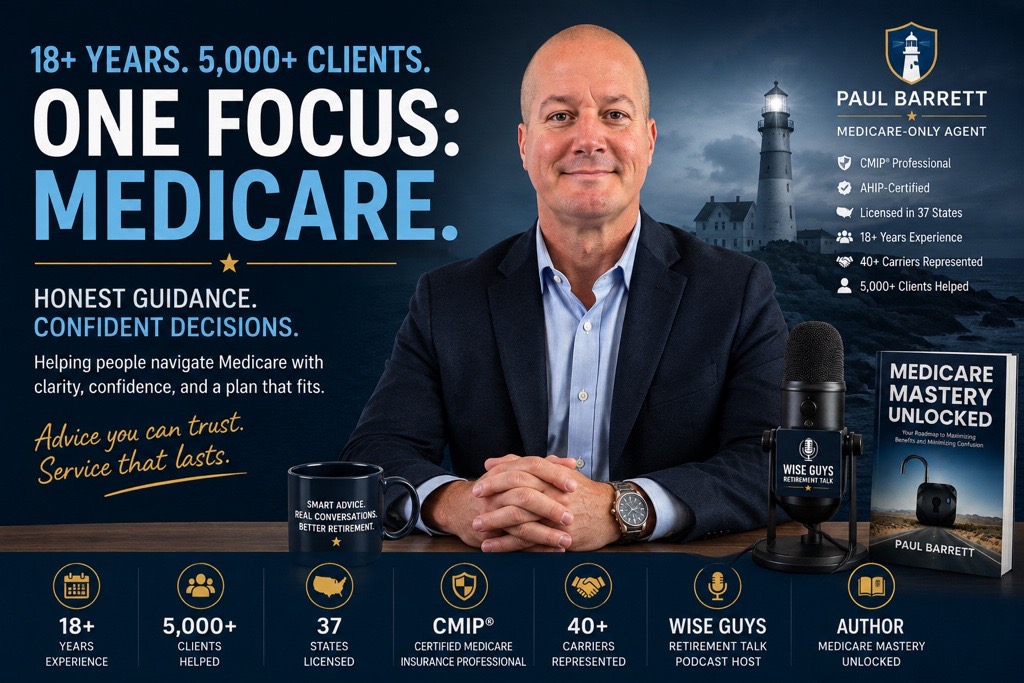
Navigate Medicare and group health insurance in 2026. Learn how employment affects your coverage and avoid costly enrollment mistakes.
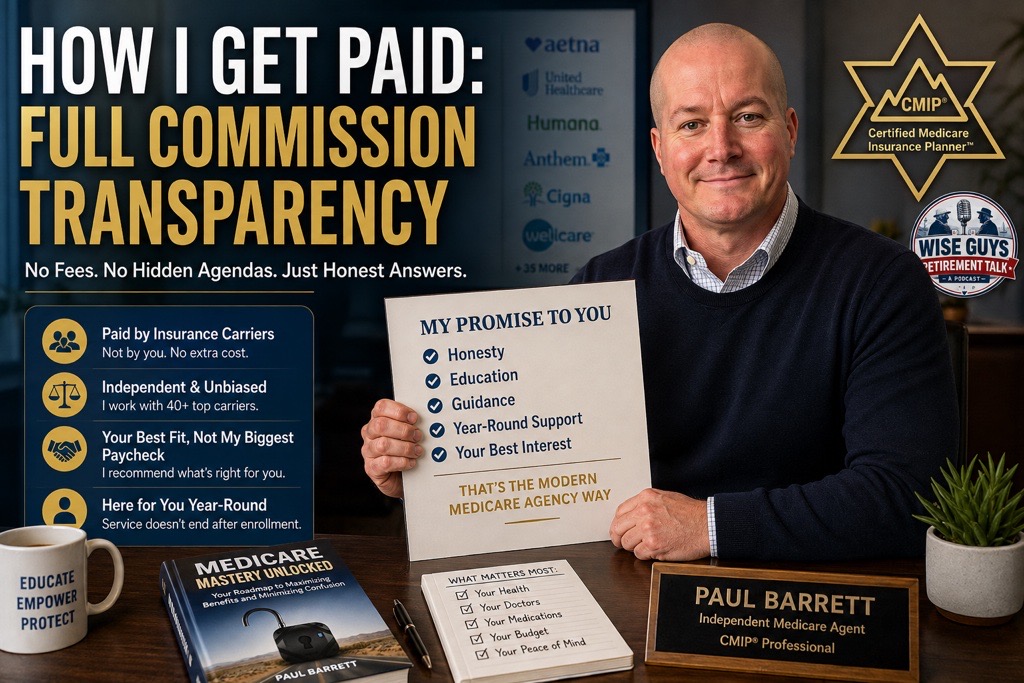
Paul Barrett is paid by insurance carriers, not by clients — no agent can legally charge a fee to enroll

Discover why Medicare HMOs limit specialist access to control costs, ensuring lower premiums and extra benefits for members.

Discover why Medicare HMOs limit specialist access to control costs, ensuring lower premiums and extra benefits for members.

What if the plan with the lowest monthly premium actually ends up costing you more by December? As we look at the 2026 landscape, many of our…

Medicare is federal health insurance for people 65 and older (and some younger people with disabilities). It has four parts

Imagine it’s 2026 and you just received a notice that your current plan’s premium is spiking, but you’re worried a recent health change means you’re…

Confused about Medicare outpatient vs inpatient care? Discover how these classifications affect your costs and coverage in our clear guide.

What if you could change your mind about your healthcare coverage every single month without ever having to answer a medical question? For many…