




Medicare Wound Care Coverage Essentials: What Is Covered, Costs, and How to Get Care
Medicare can pay for many wound-related services, supplies, and therapies when they meet medical need and documentation rules.
Medicare can pay for many wound-related services, supplies, and therapies when they meet medical need and documentation rules.

The Medicare Diabetes Prevention Program (MDPP) helps Medicare beneficiaries with prediabetes adopt healthier habits to lower their risk of type 2 diabetes.

Medicare Part B treats the lift mechanism that helps you stand as durable medical equipment (DME).

It also covers most Part B coinsurance and outpatient copayments, but it usually does not cover the Part B deductible or excess charges when providers bill above Medicare-approved amounts.

Coverage limits, program types, and which part of Medicare pays matter for your out‑of‑pocket costs and where you get care.

Medicare pays for certain medical items when they meet specific rules. You need a doctor’s order, the item must serve a medical purpose, and you often deal with Part B for coverage.

Medicare Part F usually refers to Medigap Plan F, a supplemental policy that fills gaps left by Original Medicare.

Lymphedema causes swelling, discomfort, and infection risk in a limb or body area. Proper care can reduce swelling, improve function, and lower hospital visits.
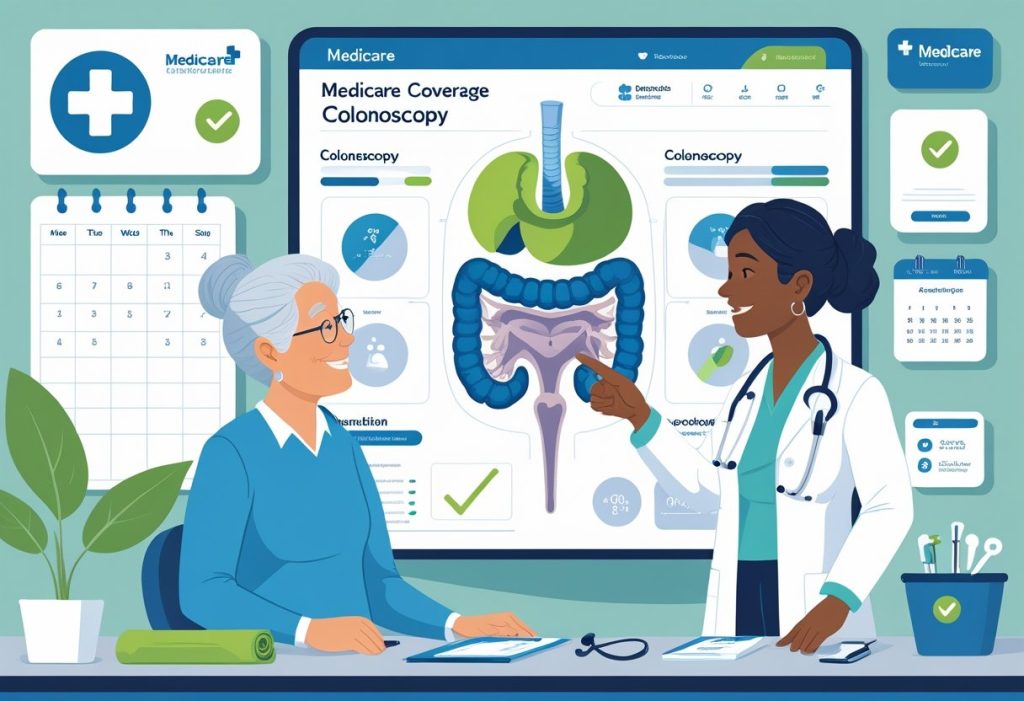
Medicare can cover both preventive and diagnostic colonoscopies, but coverage depends on your risk, symptoms, and whether a polyp is removed.

You’ll learn what Original Medicare pays, how Parts A, B, and D differ, and who qualifies for these benefits.