Thinking about home changes for safety can feel confusing, but you don’t have to figure it out alone. Medicare rarely pays for home modifications through Original Medicare, but some Medicare Advantage plans may cover certain medically necessary changes — and The Modern Medicare Agency can help you find the right plan that fits your needs and budget.
You’ll learn which modifications might qualify, what rules and limits apply, and how to apply so your home stays safe and comfortable. The Modern Medicare Agency’s licensed agents talk with you one on one, match plans to your situation, and work without hidden fees so you get clear options that make sense for your life.
Understanding Medicare-Approved Home Modifications
Medicare usually covers only items or services that treat or prevent an illness or injury. You’ll learn what counts as Medicare-approved, why these changes help you, and which specific modifications may get coverage or partial payment.
Definition of Medicare-Approved Home Modifications
Medicare-approved home modifications are changes that meet medical necessity and tie directly to a covered service. Original Medicare (Part A and Part B) rarely pays for general home remodeling.
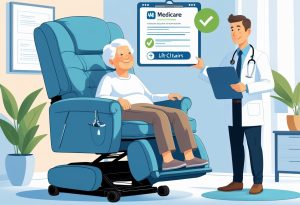
However, Medicare may cover equipment or services when they are part of a covered benefit, such as durable medical equipment (DME) tied to a medical condition or supplies used in hospice care. Medicare Advantage (Part C) plans sometimes offer extra benefits for limited home safety modifications.
Approval usually requires documentation from your doctor showing the modification is medically necessary. Keep receipts and medical orders to support claims.
If you want personalized help, The Modern Medicare Agency can connect you with licensed agents to review your eligibility and documentation.
Purpose and Benefits for Seniors
These modifications aim to keep you safe, independent, and able to receive covered medical care at home. They reduce fall risk, help with daily activities, and can lower the need for costly hospital or skilled nursing stays.
Examples include installing grab bars or providing a ramp for safe entry when a mobility device is needed to access covered home health services. Benefits include improved mobility, fewer emergencies, and better outcomes from home health or hospice care when modifications let clinicians provide services safely.
Types of Home Modifications Covered
Medicare coverage focuses on items defined as medically necessary or part of a covered service. Common examples include:
- Durable medical equipment tied to mobility or respiratory needs (e.g., walkers, hospital beds) when prescribed.
- Ramps and lifts when needed to access covered home health or hospice services.
- Certain safety-related items under Medicare Advantage add-ons, like grab bars or handrails, if the plan lists them.
Medicare rarely pays for broad remodeling (widening doorways, full bathroom remodels) unless directly tied to a covered medical treatment. If a modification is not covered, you can explore other programs or private payment.
Eligibility Criteria
Medicare coverage for home modifications depends on who you are, your medical needs, and the paperwork your provider gives. Read each part carefully so you know what documentation and proof you must show to get benefits.
Who Qualifies for Coverage
You must be enrolled in Medicare to be considered. Original Medicare (Part A and Part B) rarely pays for structural home changes.
Some Medicare Advantage (Part C) plans offer limited help, but availability varies by plan and region. If you use hospice care, Medicare may cover durable medical equipment related to your care with no cost sharing.
Dual-eligible beneficiaries (Medicare and Medicaid) may get more help through state programs. Veterans may have separate VA benefits that do not affect Medicare eligibility.
Contact The Modern Medicare Agency to learn which plans in your area include home modification benefits. Our licensed agents speak with you one-on-one and match plan options to your needs without hidden fees.
Medical Necessity Requirements
Medicare and many Advantage plans require modifications to be medically necessary. This means a licensed provider must say the change directly treats or prevents a disease, injury, or disability.
Examples include ramps for wheelchair access or grab bars to prevent falls when a doctor documents high fall risk. The change must be reasonable and safe for the condition listed.
Cosmetic improvements, convenience upgrades, or general home repairs do not meet medical necessity standards. You may also need to show that less expensive alternatives do not solve the problem.
The Modern Medicare Agency helps you gather clinical statements and explains medical necessity rules so your claim has the best chance of approval.
Documentation Needed
You need clear paperwork to support any claim. Typical documents include:
- A physician’s prescription or written order stating the medical need.
- Clinical notes or a care plan that explains functional limits (walking, transferring, balance).
- Itemized cost estimates or contractor bids showing the scope of work and materials.
Keep originals and get signed dates on all documents. For Medicare Advantage claims, include your plan’s prior-authorization forms if required.
If you are dual-eligible, add any state Medicaid approvals or VA authorizations. Agents at The Modern Medicare Agency review your documents before submission, help obtain missing items, and explain appeals if a claim is denied.
Covered Home Modifications Under Medicare
Medicare mainly pays for items and services that treat or manage a medical condition. You may get help for equipment and changes when a doctor documents medical necessity and the item fits Medicare rules.
Bathroom Safety Improvements
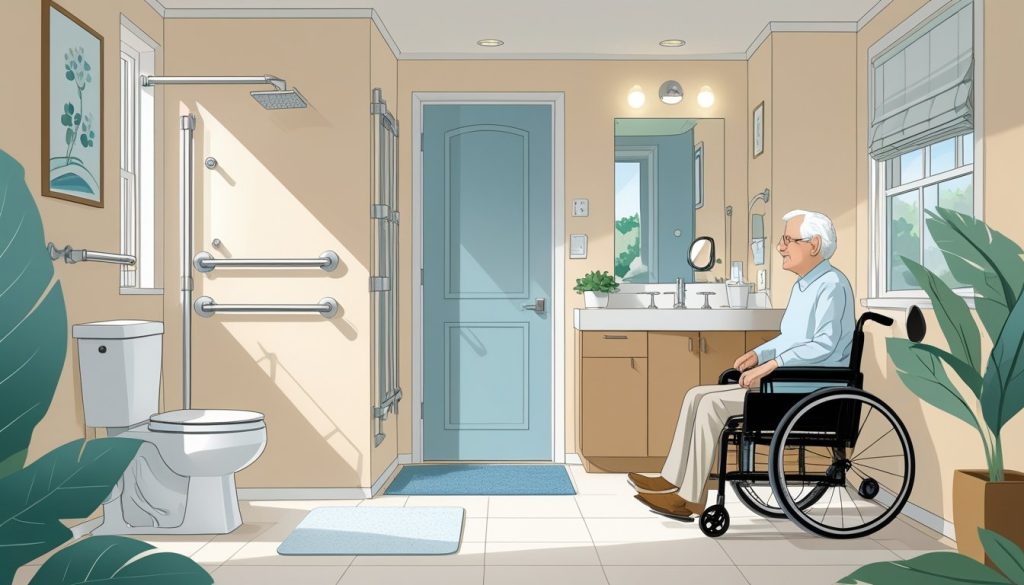
Medicare Part B can cover durable medical equipment (DME) like certain grab bars or shower seats when your doctor prescribes them as medically necessary to treat a diagnosed condition. Coverage usually applies to items considered DME that you use in your home to help with daily living.
You need a written prescription and documentation that the equipment is needed to improve function or reduce risk of injury. Medicare usually won’t pay for broad remodeling such as lowering sinks or widening doorways.
However, if a specific device already qualifies as DME (for example, a shower chair) and meets Medicare rules, you can get partial coverage. If you use hospice, covered durable equipment related to your terminal condition may be provided at no cost.
The Modern Medicare Agency can review your doctor’s paperwork and confirm which bathroom aids meet Medicare criteria. Our licensed agents speak with you one-on-one and help you avoid unnecessary costs while finding the right coverage.
Mobility Aids and Ramp Installations
Medicare covers many mobility aids labeled as durable medical equipment, such as walkers, standard wheelchairs, and some powered mobility devices when prescribed by a doctor. You must have proof that the device is needed for mobility limitations tied to a medical diagnosis, and suppliers must meet Medicare rules.
Permanent home ramps and basic short-term portable ramps are rarely covered by Original Medicare because they are home modifications rather than DME. Some Medicare Advantage plans may offer limited benefits for ramps or home access changes as part of supplemental benefits.
Ask The Modern Medicare Agency to check your plan’s supplemental options and paperwork requirements so you can compare costs and coverage without extra fees.
Stairlifts and Elevator Access
Original Medicare generally does not cover installation of stairlifts, residential elevators, or major structural changes. These are viewed as home renovations, not medical equipment, and so do not meet the DME definition used by Medicare.
If you face limited mobility, certain durable items related to access—such as portable transfer devices—might qualify if prescribed and documented. Some Medicare Advantage plans may include targeted home modification benefits that could help offset part of a stairlift or lift cost.
Contact The Modern Medicare Agency to have a licensed agent review your plan or help you explore Advantage options that may cover these needs through supplemental benefits.
Medicare Coverage Options and Limitations
Medicare covers some medically necessary equipment and a few home safety changes, but rules vary by plan and situation. Know which parts of Medicare apply, what costs you’ll face, and which modifications are never paid for.
Original Medicare vs. Medicare Advantage Plans
Original Medicare (Parts A and B) rarely pays for home modifications. Part B may cover durable medical equipment (DME) like walkers or hospital beds if your doctor says they are medically necessary.
Structural changes—ramps, widening doorways, permanent grab bars—are generally not covered under Original Medicare. Medicare Advantage (Part C) plans are offered by private insurers and sometimes include extra benefits.
Some Advantage plans offer limited home safety modifications or allowances for home repairs that reduce fall risk. Coverage varies by plan, county, and year, so you must check plan documents and ask for written details.
The Modern Medicare Agency can review your local Advantage options and explain real 1-on-1 differences so you pick the plan that fits your needs and budget.
Out-of-Pocket Costs and Co-Payments
If Part B covers an item, you typically pay 20% of the Medicare-approved amount after meeting the Part B deductible. For example, for a covered DME item, Medicare pays 80% and you owe 20%.
Part A may cover certain items during a hospital stay, which follow different cost rules. Medicare Advantage plans may charge copays, coinsurance, or require prior authorization for modifications or equipment.
Some plans have annual limits or caps on supplemental benefits. Ask your plan for exact cost-sharing amounts before you schedule work or buy equipment.
The Modern Medicare Agency’s licensed agents will explain any expected out-of-pocket costs and help you compare plans without added fees.
Items and Services Not Covered
Medicare does not cover general home renovations that increase property value or make homes more comfortable but are not medically necessary. Examples: kitchen remodels, central air systems, decorative changes, or new flooring unless a doctor documents medical necessity and coverage applies under a specific plan.
Permanent structural changes—like adding rooms, major plumbing or electrical work, or wide-scale accessibility remodeling—are usually excluded. Even some safety items, like non-medical alarm systems, may be denied.
If you need proof of coverage, get a written determination from your plan and keep all doctor orders and receipts. The Modern Medicare Agency can help you gather paperwork and submit coverage questions to reduce surprises.
Applying for Medicare-Approved Home Modifications
You will learn how to gather paperwork, get medical recommendations, and work with Medicare or Medicare Advantage plans. The steps explain who to contact, what forms you need, and how approvals usually proceed.
Step-by-Step Application Process
Start by checking whether your coverage is Original Medicare (Parts A/B) or a Medicare Advantage plan. Original Medicare rarely pays for home modifications, but some equipment and medically necessary items may qualify under Part B.
Medicare Advantage plans often offer supplemental home-safety benefits; call your plan to confirm covered items and limits. Gather key documents: doctor’s prescription/letter of medical necessity, detailed item list, supplier quotes, and your Medicare or plan ID.
Submit the request to your plan or Medicare contractor as directed. Expect prior authorization in many cases; ask your provider for help with the paperwork.
Track timelines and appeals. If a claim is denied, you can request a redetermination or file an appeal.
Keep copies of all correspondence and receipts. For personal help, contact The Modern Medicare Agency — our licensed agents give one-on-one guidance, match plans to your needs, and explain costs clearly.
Required Assessments and Evaluations
A clinician must document why the modification is medically necessary. Your primary care doctor, a specialist, or an occupational therapist will usually assess mobility limits, fall risk, and daily living tasks.
The assessment should state specific barriers and how the modification fixes them. Expect a home safety evaluation for many plans.
An occupational therapist or certified assessor will inspect entryways, bathrooms, and stairways and then recommend grab bars, ramps, or stair lifts as needed. Ask the assessor to provide a written report and itemized cost estimate.
Submit assessment reports with your claim. The clearer the documentation, the faster your plan can approve the request.
If you need help interpreting assessments or submitting claims, The Modern Medicare Agency’s licensed agents will review documents with you and help file requests without extra fees.
Finding Qualified Contractors and Suppliers
You need reliable contractors and suppliers who follow Medicare rules and meet safety standards. Focus on providers with clear paperwork, proof of experience with home modifications, and open lines of communication.
Medicare-Approved Providers
Medicare itself rarely approves contractors for home modifications. Look for suppliers and vendors who work with Durable Medical Equipment (DME) rules or who bill Medicare-approved plans when applicable.
Ask each provider for a National Supplier Clearinghouse (NSC) number or other official supplier ID when they supply DME items. Get written estimates that list materials, labor, start and end dates, and whether items will be billed to Medicare, Medicare Advantage, or a private pay source.
Contact The Modern Medicare Agency to confirm whether a planned supplier has experience with Medicare billing. Our licensed agents talk with you one-on-one, verify provider credentials, and explain which parts of the job Medicare might cover.
We do not charge extra fees for this guidance.
Ensuring Quality and Compliance
Verify licensing and insurance before work starts. Request copies of the contractor’s license, general liability insurance, and workers’ compensation.
Check references from at least three recent projects, ideally similar bathroom or entrance modifications for seniors or people with mobility needs. Insist on a written contract that includes change-order procedures, warranty on workmanship, and final inspection by you or a qualified inspector.
Keep copies of medical necessity documents, prescriptions, and any prior authorizations needed for Medicare claims. If you use The Modern Medicare Agency, an agent will review paperwork with you and help ensure billing codes and documentation match Medicare rules so you avoid denied claims or unexpected bills.
Additional Resources for Home Modifications
You can find help paying for and planning home changes through state programs, local agencies, and community nonprofits. These sources often offer grants, low-interest loans, free assessments, and contractor referrals to make homes safer and more accessible.
State and Local Assistance Programs
State Medicaid waivers and Home and Community-Based Services (HCBS) programs may pay for certain home modifications if you qualify. Contact your state Medicaid office to ask about waiver eligibility, covered items (like ramps or bathroom changes), and the application steps.
Many states also run Aging and Disability Resource Centers (ADRCs) that schedule home safety assessments and connect you to local funding. Counties and cities sometimes offer repair or accessibility grants and weatherization funds that cover grab bars, stair lifts, or entryway ramps.
Check with your local housing authority or area agency on aging for specific programs, income limits, and required paperwork. The Modern Medicare Agency can help you locate these state and local options and guide you through applications.
Our licensed agents speak with you one-on-one and match Medicare plans and supplemental resources to your needs without hidden fees.
Nonprofit and Community Support
Nonprofits often provide free or low-cost modifications and volunteer labor for simple projects. Look for local chapters of aging-focused organizations, Habitat for Humanity A brush-up or similar volunteer programs, and faith-based groups that run accessibility initiatives.
These groups commonly install grab bars, ramps, and threshold changes at no or low cost. Community action agencies and veterans’ service organizations also offer help.
If you’re a veteran, contact your local VA office to learn about home improvement grants and eligibility rules. The Modern Medicare Agency works with community partners to find nonprofit resources that fit your situation.
Our agents will explain which local programs may cover labor or materials and help coordinate contacts so you get the right support for your home changes.
Maintaining and Reviewing Home Modifications
Keep your home modifications working and matched to your needs by scheduling checks and making updates when mobility or health changes. Regular inspections prevent hazards and help you avoid costly repairs.
Regular Safety Assessments
Inspect ramps, grab bars, and handrails every 3–6 months for looseness, corrosion, or wear. Tighten anchors, replace torn non-slip tape, and test door clearances to ensure safe passage.
Check thresholds and shower seals for tripping hazards or water damage. Test powered equipment, like lift seats or stair lifts, monthly.
Run batteries and emergency stops, and note any unusual noises or slow movement. Keep manuals and service contacts in one folder for quick reference.
Make a short safety checklist you can use each time: surface condition, secure fastenings, functionality, and clean drainage. Record dates and fixes.
If you spot structural issues or electrical faults, stop using the item and call a qualified repairer.
Updating Modifications as Needs Change
Review modifications after any fall, new diagnosis, or change in mobility. A single incident can mean you need additional supports like a wider doorway, transfer bench, or adjustable bed.
Schedule an occupational therapy assessment if your daily routine becomes harder. Adjustments may include raising toilet heights, moving grab bars, or adding lighting in hallways.
Keep written notes about what tasks feel harder and when they occur. That helps your agent and clinicians choose cost-effective, Medicare-approved options.
Work with The Modern Medicare Agency to review coverage and options. Our licensed agents talk with you one-on-one, compare Medicare plans, and help find affordable packages that match your needs without extra fees.
Keep service records and your agent’s contact saved for quick re-evaluation.