



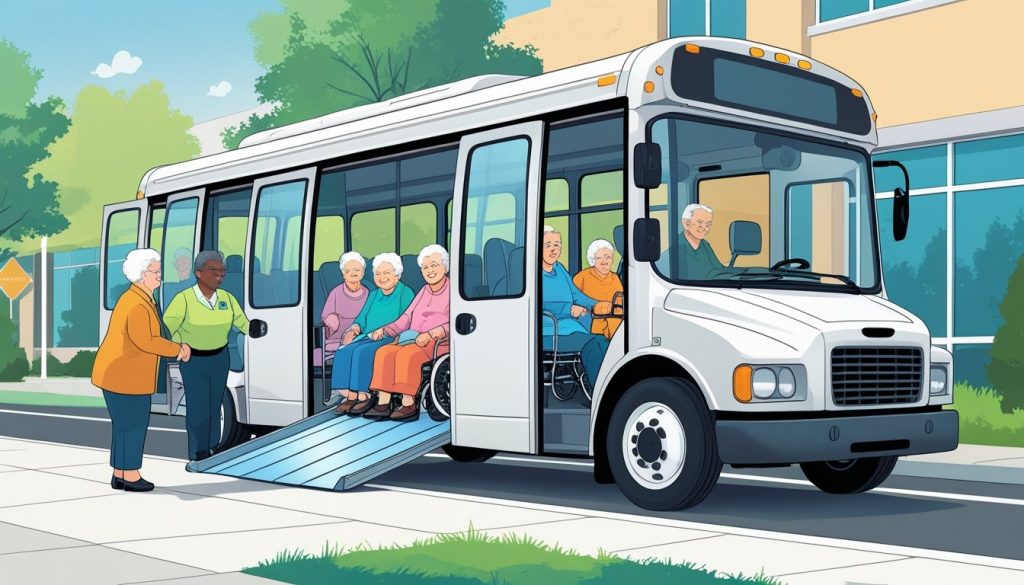
Getting where you need to go should feel simple and safe, not stressful. You can find transportation options that fit your health, budget, and schedule—from curb-to-curb city programs to private rides and specialized medical transport—so you stay independent and connected.
This article shows practical choices in your area, safety features to look for, and ways to save money while keeping mobility strong. The Modern Medicare Agency can help you match Medicare plans and benefits to these transportation needs through licensed agents who talk with you one on one and find coverage that won’t add hidden costs.
You’ll learn about community services, private and medical ride options, accessibility upgrades, tech tools that make travel easier, and how to pick the best solution for your situation.
Overview of Transportation for Elderly
Transportation links you to medical care, groceries, social activities, and independence. This section explains why mobility matters, common barriers older adults face, and the main service types you can use.
Significance of Senior Mobility
Your mobility affects health, safety, and daily routines. Regular rides to doctors’ appointments lower the risk of missed care and worsening chronic conditions.
Being able to get to groceries and pharmacies keeps you safe from nutrition and medication problems. Mobility also supports mental health.
Going to social events, faith services, or volunteer work reduces loneliness and keeps your thinking sharp. Reliable transport helps you stay involved in your community and maintain routines you trust.
If driving becomes risky, having options preserves independence. You can choose services that match your physical needs, budget, and schedule so you keep control over where you go and when.
Challenges in Elderly Transportation
Physical limits and medical needs often make travel harder. Vision, strength, balance, and cognitive changes can turn driving or using public transit into a safety risk.
Some seniors need vehicles with wheelchair lifts or help getting in and out. Rural areas and low-income neighborhoods may have few or no services nearby.
Scheduling, long wait times, and last-mile gaps—getting from a stop to your door—can make trips impractical. Costs add up when taxis or private rides are the only option.
Coordination and information gaps also create problems. You may not know which programs you qualify for, or you might need help booking rides.
That makes one-on-one guidance valuable when you pick the right mix of services for your needs.
Types of Services Available
Public transit: Local buses and trains often offer reduced fares and priority seating. Check schedules and paratransit options for door-to-door service if you have mobility limits.
Paratransit and ADA services: These services provide accessible vans or small buses that meet Americans with Disabilities Act rules. They usually require registration and advance booking.
Volunteer driver programs: Nonprofits and faith groups let screened volunteers drive you to medical and essential trips. These programs can be low-cost or free and work well for routine appointments.
Rideshare and on-demand services: App-based rides and some specialized providers offer flexible scheduling and fast pickups. Look for options that allow mobility aids and offer assistance.
Medicaid and state programs: If you have Medicaid, you may qualify for non-emergency medical transportation to covered appointments. Rules vary by state and may cover taxis, vans, or mileage reimbursement.
Senior center shuttles and community transport: Many senior centers run shuttle routes to shopping, clinics, and activities. These are usually low-cost and tailored to local needs.
When you need help finding the right plan, The Modern Medicare Agency can guide you. Our licensed agents are real people you can speak with one-on-one.
They identify Medicare packages that fit your budget and health needs, without extra fees that break the bank.
Community Transportation Options
You can find several community-based ways to get around, from fixed-route buses to door-to-door rides and special senior shuttles. Each option has its own rules, costs, and booking steps, so pick the one that matches your mobility, schedule, and budget.
Public Transit Access
Public buses and light rail often serve major routes and shopping, medical centers, and senior centers. Many transit systems offer reduced fares or free rides for people 65 and older; bring an ID or a transit-issued senior pass to board.
Check schedules online or call the transit agency to confirm route times, frequency, and any holiday changes. Plan trips that use main corridors and transfer hubs to reduce walking distance.
Most systems provide lowered-floor buses or ramps for wheelchairs and walkers. If you need help with a transfer or reaching a stop, bring a companion or ask drivers for reasonable assistance.
The Modern Medicare Agency can help you find local transit resources and explain how a Medicare plan may cover costs like paratransit co-pays. Our licensed agents speak with you one-on-one and match plans to your needs without hidden fees.
Paratransit Services
Paratransit provides door-to-door or curb-to-curb rides for people who cannot use regular public transit due to mobility or disability. You must apply and be approved, often through a brief eligibility interview.
Once approved, book rides by phone or online—most systems require reservations 24 to 48 hours ahead. Expect higher fares than regular buses but often lower than taxis.
Vehicles are wheelchair-accessible and drivers are trained to assist with securement and boarding. Bring a caregiver or escort if the program allows one—some services permit a free companion.
Keep documentation of mobility limits and nearby medical appointments to speed scheduling. The Modern Medicare Agency’s agents can point you to paratransit contacts in your area and help you understand any Medicare-related benefits that might offset costs.
Talk to a licensed agent for clear, personalized guidance.
Senior Shuttle Programs
Senior shuttles run on fixed routes or offer reservation-based trips to shopping centers, senior centers, and medical clinics. These programs often operate on weekdays and charge small fees or request donations.
Call your county aging office, local Area Agency on Aging, or senior center to learn shuttle routes and booking rules. Shuttle vehicles are usually lift- or ramp-equipped and may allow one escort per rider.
Priority often goes to scheduled medical trips, so book early for errands or social outings. Note service areas—some shuttles serve only city limits or a set radius.
The Modern Medicare Agency helps you locate senior shuttle options and clarifies how a Medicare plan can work with these services. Our licensed agents offer one-on-one support to find affordable plans that fit your travel needs without surprise costs.
Private and Specialized Transportation Services
You can choose services that match medical needs, mobility limits, and budget. Options include wheelchair-accessible vehicles, door-to-door rides, and volunteer or subsidized programs that reduce cost.
Non-Emergency Medical Transportation
Non-emergency medical transportation (NEMT) moves you to medical appointments, therapy, dialysis, and routine hospital visits when you cannot use regular transit. Vehicles range from sedans to wheelchair-accessible vans with securements and ramps.
Drivers usually receive training to help with transfers and securing mobility devices. Check coverage before you book.
Medicare Advantage plans and Medicaid sometimes cover NEMT; your plan may require prior authorization or a medical necessity form. You should confirm pickup windows, cancellation fees, and whether an aide may ride with you.
Keep records of appointment times and driver contact info to avoid missed trips. The Modern Medicare Agency helps you find Medicare plan options that include NEMT benefits.
Our licensed agents speak with you one-on-one to match plan features to your mobility needs and budget without extra fees.
Rideshare Solutions
Rideshare services offer on-demand trips for errands and non-critical appointments. Some provide car seats, wheelchair ramps, or vehicles large enough for walkers and scooters.
You can book through an app or by phone; look for options that allow scheduling ahead and requesting accessibility features. Costs vary by distance, time, and vehicle type.
Compare flat-rate paratransit fares or subsidized vouchers with standard ride fares. Ask about driver training, assistance with door-to-door help, and cancellation policies.
Keep an alternate plan for weather or app outages. The Modern Medicare Agency can point you to Medicare plans and local programs that offset rideshare costs.
Our agents explain which plans offer transportation credits and how to use them.
Volunteer Driver Programs
Volunteer driver programs use trained community volunteers to give rides to older adults. They often offer low-cost or donation-based fares and flexible help for grocery trips, social visits, and medical appointments.
Volunteers typically assist with getting in and out of the vehicle but may not be trained for complex medical transfers. You should ask about background checks, liability coverage, and mileage reimbursement.
Scheduling may require advance notice; same-day rides are not always available. These programs work well for routine, low-acuity trips and can connect you with local senior centers or area agencies on aging.
The Modern Medicare Agency can help you find volunteer and community transportation options in your area and show how those resources pair with Medicare plan benefits. Our agents guide you through eligibility and enrollment so you get the right coverage without surprise costs.
Accessibility and Safety Measures
Seniors need vehicles and services that let them get in and out safely, travel with mobility devices, and rely on trained drivers. The next parts explain key features, driver expectations, and vehicle changes that reduce risk and make travel easier.
Wheelchair-Accessible Vehicles
Wheelchair-accessible vehicles must allow secure, stable travel for you and your mobility device. Look for ramps or lifts rated for your chair’s weight and a flat, non-slip entry area at least 30–36 inches wide.
Vehicles should offer floor anchors or a docking system that meets safety standards and a quick-release strap or four-point tie-downs to prevent movement during transit. Seating layout matters.
Transfer seats or foldaway passenger seats give space for caregivers. Clear signage and grab handles near the door help you enter and exit.
Check that door thresholds are low and that interior lighting is bright enough to reduce trips and missteps.
Driver Assistance Standards
Drivers must follow clear steps to protect you before, during, and after trips. They should check wheelchair securements and tie-downs, confirm your seat belt or harness fits, and assist only to the level you request.
Ask whether drivers complete pre-trip safety checks and practice safe braking and turning techniques to minimize jolts. Communication is important.
Drivers should speak clearly about the route and stops, and confirm pick-up and drop-off points with you or a caregiver. Verify that drivers undergo background checks, training in mobility assistance, and instruction on loading equipment like ramps, lifts, and securement systems.
Vehicle Adaptations
Simple vehicle changes improve safety and comfort on every ride. Look for low-floor designs, wide doors, and slip-resistant flooring to reduce fall risk.
Handrails and grab bars should sit 32–36 inches above the floor and be easy to reach from the doorway or seat. Interior lighting and large, readable signage help you find your seat and exits.
Climate control must be reliable so you stay comfortable without needing to move during the trip. Emergency items — first-aid kit, flashlight, and a charged phone or two-way radio — should be on board and checked regularly.
The Modern Medicare Agency can help you find transportation options that meet these accessibility and safety standards. Our licensed agents speak with you one‑on‑one to match Medicare plans that cover needed services and avoid extra fees.
Financial Considerations
Transportation costs, insurance help, and government programs affect what you pay and what services you can use. Know typical fees, what insurance may cover, and which public programs can lower your out‑of‑pocket costs.
Cost of Senior Transportation
Private rideshare trips, private taxi fares, and specialized wheelchair-van services vary a lot by location. A short local cab or rideshare ride often costs $8–$25, while wheelchair-accessible van trips can run $30–$100 or more for longer distances.
Subscription shuttle services and community vans sometimes offer lower flat rates or passes. Look for fees beyond the base fare.
Expect surge pricing, waiting charges, mileage or per-minute fees, and extra costs for assistance or long wait times. Ask for an itemized estimate before scheduling non‑emergency medical transport.
Plan monthly transportation in your budget. Track typical trip types—medical, shopping, social—and multiply by frequency.
Compare costs for taxis, paratransit, volunteer driver programs, and family-helping-you options to find the best fit for price and access.
Insurance and Subsidies
Medicare Part B alone usually does not cover routine rides to appointments. Some Medicare Advantage plans include transportation benefits for doctor visits, prescription pickup, or limited errands.
Check plan documents or ask an agent what transportation benefits your plan offers. Medicaid can cover non‑emergency medical transportation if you qualify.
Coverage and rules vary by state; you may need prior authorization or use state-contracted vendors. Private long‑term care insurance sometimes covers transportation under home‑and-community care benefits.
Call your insurer and ask specifically about covered trip types, provider networks, prior authorization, copays, and limits per year. Our licensed agents at The Modern Medicare Agency can review your plan options, explain transportation benefits, and match plans to your needs without extra fees.
Government Assistance Programs
Local and state governments fund several programs that reduce senior travel costs. Paratransit under the Americans with Disabilities Act (ADA) provides curb-to-curb service near fixed transit routes; eligibility and fares are set locally.
Area Agencies on Aging (AAA) often run low‑cost shuttles or volunteer driver programs that charge modest donations or small fees. Other federal and state grants support rural transit and community transportation projects, which can lead to subsidized routes and ride vouchers.
Contact your county or city transportation office to learn about passes, reduced-fare cards, and voucher programs for seniors and people with disabilities. Start by calling your county’s human services or Area Agency on Aging.
Ask about ADA paratransit enrollment, volunteer driver availability, and any voucher or discount programs. If you want help navigating eligibility and benefits, The Modern Medicare Agency offers one‑on‑one support from licensed agents who explain options and help you sign up.
Choosing the Right Transportation Solution
You need safe, reliable rides that match physical needs, schedule, and budget. Focus on mobility level, help with doors or stairs, costs, and whether a provider offers medical trip support.
Assessing Individual Needs
Start by listing what you or your loved one can do alone. Note walking distance, stair use, balance issues, and whether a wheelchair or walker must fit in the vehicle.
Include medical needs such as oxygen use, dialysis schedules, or frequent doctor visits. These needs affect timing and vehicle type.
Think about comfort and social needs too. Do you prefer a familiar driver, quiet rides, or help inside stores and clinics?
Write down preferences before you call providers.
Evaluating Service Providers
Check that the provider is licensed and insured. Ask about driver background checks, training in elder care, and whether drivers can assist with transfers.
Confirm how rides are scheduled and canceled. Ask for typical wait times, minimum notice for non-medical trips, and if rides are guaranteed for critical medical appointments.
Ask whether drivers help door-through-door, or only curb-to-curb. Learn their billing: per-trip fees, mileage charges, and if any hidden fees apply.
The Modern Medicare Agency can help you compare plans and explain cost details clearly.
Comparing Service Features
Make a side-by-side list of features: vehicle accessibility, level of assistance, scheduling flexibility, and cost per trip. Use that list when you call providers.
Prioritize features you can’t compromise: guaranteed arrival for treatments, wheelchair lifts, or companion riders. Give lower weight to extras you can forgo, like luxury vehicles.
Use trial rides when possible. A short test trip reveals driver behavior, timeliness, and how comfortable the vehicle feels.
For help choosing a plan or understanding Medicare-related transport coverage, contact The Modern Medicare Agency—licensed agents will speak with you one-on-one and find options that fit your needs and budget without extra fees.
Technology and Innovations in Elderly Transportation
New tools make booking, scheduling, and tracking rides easier and safer. They also help match trips to needs like wheelchair access, medical appointments, and low-cost options.
Mobile Apps for Seniors
Mobile apps let you book rides, set recurring trips, and share ETA with family. Look for apps with large text, simple menus, and voice commands.
These features reduce mistakes and stress when you schedule medical visits or grocery runs. Apps can store medical needs, such as mobility device type or oxygen use, so drivers arrive prepared.
Many include real-time driver details and GPS tracking to increase safety. Some offer in-app payment with clear receipts and options for billing family members or caregivers.
If you prefer human help, our licensed agents at The Modern Medicare Agency can guide you through app choices and setup. You get one-on-one support to match tools to your abilities and budget, with no extra fees for that help.
Transportation Coordination Platforms
Coordination platforms connect you to multiple transport services in one place. They compare prices, vehicle types, and wait times so you can pick the best option for each trip.
You can filter for wheelchair lifts, door-to-door assistance, or rides timed around doctor appointments. These platforms let caregivers manage trips for you.
They send reminders, confirm pickups, and handle cancellations. For frequent medical travel, look for platforms that integrate with clinic schedules or allow subscription passes to lower costs.
The Modern Medicare Agency helps you evaluate platforms based on your travel needs and Medicare plan. Our agents explain coverage limits, coordinate with providers, and help avoid surprise charges while keeping choices simple and clear.
Promoting Independence and Social Engagement
Reliable rides and accessible transport let you keep appointments, visit friends, and join local activities. This access supports your health, daily routines, and social life in concrete ways.
Benefits of Enhanced Mobility
When you have dependable transportation, you reach medical appointments on time and avoid missed care. That improves medication management and chronic disease follow-up.
You also get to the grocery store and pharmacy without waiting for help, which keeps your diet and prescriptions on track. Mobility helps you stay physically active.
Getting to exercise classes, parks, or community centers reduces fall risk and builds strength. It also preserves your ability to run errands independently, delaying the need for more intensive care at home or in facilities.
The Modern Medicare Agency connects you with Medicare plans that include transportation benefits or partner services. Our licensed agents talk with you one-on-one, match plan features to your needs, and help avoid extra fees that strain your budget.
Reducing Isolation Through Transportation
Transportation lets you attend social events, religious services, and family gatherings. Those outings lower loneliness and lift your mood.
Regular social contact also correlates with better memory and lower depression rates. Door-to-door services and volunteer driver programs remove barriers like walking long distances or navigating busy streets.
That reduces anxiety about leaving home and makes planning outings simpler. Having a trusted ride increases the number of weekly social interactions you can keep.
You can speak to a licensed agent at The Modern Medicare Agency to find plans that support these services. Our agents explain options clearly, help enroll you, and ensure the plan fits your social and mobility needs without surprise costs.
Future Trends in Elderly Transportation
You will see more technology-driven options that make travel easier and safer. Self-driving vehicles and on-demand ride services promise to reduce the need for you to drive, especially if mobility or vision declines.
These systems aim to offer door-to-door rides and simpler booking. Communities will add more accessible public transit and shared mobility choices.
Expanded bus and rail accessibility, plus smaller shuttle services, help you reach medical appointments and social activities. Planners focus on walkable routes and better curb access.
Healthcare and transportation will link more closely. Coordinated trips for medical visits and prescription pickup will cut missed appointments.
You should expect more personalized, tech-guided support. Mobile apps, voice assistants, and in-vehicle features will guide you step-by-step.
If you prefer a human touch, call a licensed agent at The Modern Medicare Agency for help matching your Medicare plan to transportation needs. Choose The Modern Medicare Agency when you want real people on the phone.
Our licensed agents speak with you one-on-one, find Medicare packages that fit your needs, and avoid extra fees that strain your budget. You get clear advice and plans tailored to your circumstances.