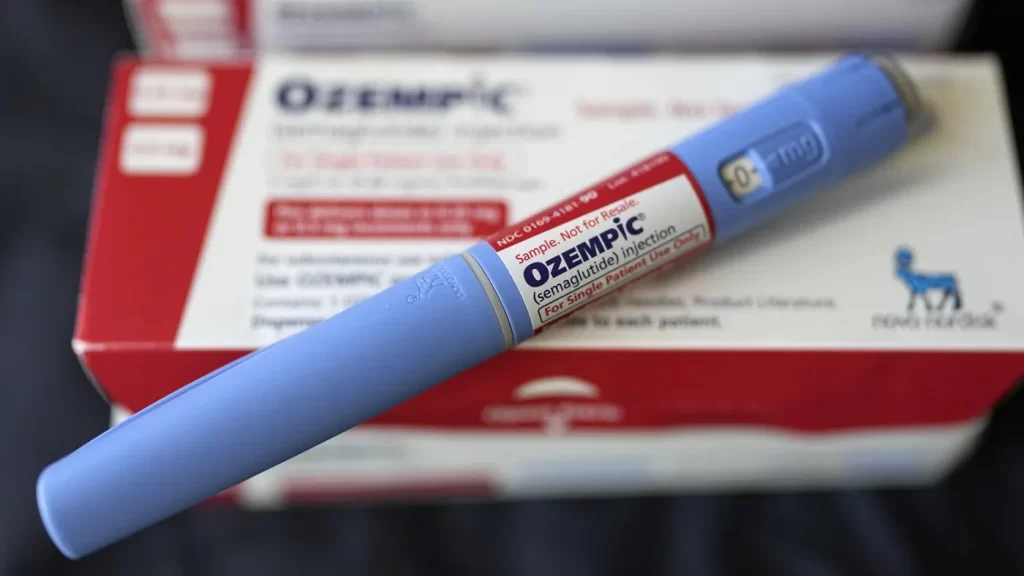
If you’re on Medicare and you’ve been watching Ozempic and Wegovy commercials while quietly thinking “I wish I could afford that” — I have genuinely good news for you.
After more than 20 years of Medicare being legally prohibited from covering weight-loss drugs, that is about to change. Starting July 1, 2026, Medicare beneficiaries will be able to access GLP-1 weight-loss medications for as little as $50 per month. And starting January 2027, a full five-year program goes live that could make this permanent.
This is one of the biggest shifts in Medicare drug coverage I’ve seen in my 18 years working exclusively in this space. And like everything in Medicare, the details matter — because not everyone qualifies, not every plan will participate, and there are important deadlines you need to know about right now.
Let me break it down in plain English.
First: What Is a GLP-1 Drug, and Why Is Everyone Talking About Them?
GLP-1 stands for glucagon-like peptide-1 — a hormone your body naturally produces to regulate blood sugar and signal fullness to your brain. GLP-1 receptor agonist drugs mimic that hormone, which is why they’re so effective at reducing appetite and helping people lose significant amounts of weight.
You’ve almost certainly heard the brand names:
- Ozempic (semaglutide — approved for type 2 diabetes)
- Wegovy (semaglutide — approved for weight loss and cardiovascular disease)
- Mounjaro (tirzepatide — approved for type 2 diabetes)
- Zepbound (tirzepatide — approved for weight loss and sleep apnea)
- Rybelsus (oral semaglutide — approved for type 2 diabetes)
Here’s something that confuses a lot of people: Ozempic and Wegovy are the exact same drug (semaglutide) — just FDA-approved for different purposes. Same story with Mounjaro and Zepbound (tirzepatide). Medicare Part D has always covered Ozempic and Mounjaro when prescribed for type 2 diabetes. The problem was that Medicare was legally banned from covering any drug prescribed purely for weight loss — a restriction that dates back to when Congress created Part D in 2003.
That ban is now being lifted. Here’s how.
The Medicare GLP-1 Bridge: Starting July 1, 2026
Think of this as the appetizer before the main course.
Beginning July 1, 2026, eligible Medicare Part D beneficiaries will have access to Wegovy and Zepbound (specifically the KwikPen formulation) for weight loss at a flat $50 per month copay through a temporary program called the Medicare GLP-1 Bridge.
This program operates entirely outside of the Medicare Part D benefit’s normal coverage and payment structure, which means your Part D plan sponsors carry zero financial risk for the drugs furnished under the demonstration. CMS handles the reimbursement directly through a central processor. This is an important detail — it means even if your specific plan hasn’t formally joined anything yet, you may still be able to access these drugs through the Bridge.
The Bridge runs from July 1 through December 31, 2026. It is temporary by design — it exists to get people access to these medications as quickly as possible while the larger long-term program gets stood up.
What's covered under the Bridge:
- Wegovy (all formulations, including the oral tablet approved in December 2025)
- Zepbound (KwikPen formulation only)
- Foundayo (newly FDA-approved, added April 2026)
What's NOT covered under the Bridge:
- Ozempic or Mounjaro used for weight loss (those are for diabetes — covered separately if you have diabetes)
- Compounded semaglutide or tirzepatide (brand name only)
- Zepbound single-dose vials or single-dose pens
Do You Qualify? Here's the Eligibility Test
This is where people need to pay close attention. For a beneficiary to qualify, their provider must submit a prior authorization request that attests the beneficiary is being prescribed the drug to reduce excess body weight and for ongoing maintenance of weight reduction, and that they fall into one of three categories related to BMI and other clinical diagnostic criteria.
In practical terms, you’ll generally need to:
- Be enrolled in a Medicare Part D plan (standalone PDP or Medicare Advantage with drug coverage)
- Have your doctor submit a prior authorization request
- Meet BMI and clinical criteria that CMS negotiated with the manufacturers
- Be prescribed the medication specifically for weight reduction — not for diabetes or cardiovascular disease (those already have separate coverage pathways)
What this means for you: You’ll need to have a conversation with your doctor before July 1. This isn’t a drug you can just walk up to the pharmacy counter and get covered on Day 1. Prior authorization is required, so start that process early.
The BALANCE Model: The Long Game Starting January 2027
The Bridge is the short-term solution. The BALANCE Model — which stands for Better Approaches to Lifestyle and Nutrition for Comprehensive hEalth — is the permanent (five-year) program.
The BALANCE Model aims to increase access to select GLP-1 medications and healthy lifestyle interventions to help people with Medicare and Medicaid improve their health. As part of this voluntary model, CMS negotiates drug pricing and coverage terms with manufacturers of GLP-1 medications on behalf of state Medicaid agencies and Medicare Part D plan sponsors.
The BALANCE Model will launch in Medicaid as early as May 2026 and in Medicare Part D in January 2027. The model runs through December 2031.
The drugs included in BALANCE:
Both Novo Nordisk and Eli Lilly have agreed to participate in the model, and the following medications will be included: all formulations of Mounjaro, Ozempic, Rybelsus, and Wegovy, the KwikPen formulation of Zepbound, and, if approved by the FDA, the tablet formulation of Orforglipron.
The price CMS negotiated:
Manufacturers have agreed to a $245 net price per 30-day supply for all model drugs in 2027 for the Medicare program. To put that in perspective — without any program, these drugs retail for close to $1,000 per month. CMS essentially cut the price by 75% before your copay even kicks in.
Your out-of-pocket copay under BALANCE will be $50 per month through the Bridge period, with cost-sharing details for 2027 and beyond still being finalized.
BALANCE also includes lifestyle support
This is something I want to highlight because it’s often overlooked. BALANCE isn’t just a drug coverage program — it provides patients with access to lifestyle support programs that help people with Medicare and Medicaid incorporate a reduced calorie diet and increased physical activity into their daily living, consistent with FDA labeling, which recommends that GLP-1s be used in complement to appropriate lifestyle modifications when prescribed for obesity or weight management.
This matters medically and practically. GLP-1 drugs work best when paired with behavioral change. The fact that CMS built this into the program is genuinely good program design.
An Important Note: The Bridge Ends December 31, 2026
Beneficiaries who start on the Bridge need to enroll in a BALANCE-participating plan for 2027 to maintain access. CMS has said they will do beneficiary outreach and education around this transition.
This is critical. If you start on Wegovy through the Bridge in July 2026, you cannot just assume your coverage continues automatically on January 1, 2027. You need to make sure your Part D plan is participating in BALANCE — and that is something your Medicare broker should be helping you verify during the 2026 Annual Enrollment Period (October 15 – December 7, 2026).
This is exactly the kind of plan-specific detail that gets people into trouble. A plan that participates in the Bridge may or may not be in BALANCE. These are two separate programs.
What About Ozempic for Weight Loss Specifically?
Here’s where I want to be direct with you, because there’s a lot of confusion online.
Ozempic is the same drug as Wegovy — semaglutide. But Ozempic is FDA-approved for type 2 diabetes, while Wegovy is FDA-approved for weight management. Medicare Part D has always covered Ozempic for diabetes. The new Bridge and BALANCE programs cover the weight loss indication — meaning Wegovy.
Ozempic and Mounjaro for weight loss are not covered through the Bridge program. Those drugs are covered by Medicare Part D only when prescribed for type 2 diabetes.
So if your doctor prescribes Ozempic specifically for your diabetes, that’s a normal Part D claim — nothing changes. If you want semaglutide for weight loss, you’d get it as Wegovy through the Bridge or BALANCE program.
What About Semaglutide for Cardiovascular Disease?
This is another important distinction. Beneficiaries who are prescribed an eligible GLP-1 drug for a use that is already coverable under the basic Medicare Part D benefit — such as Zepbound for the treatment of moderate to severe obstructive sleep apnea, or Wegovy to reduce the risk of major adverse cardiovascular events in adults with established cardiovascular disease and obesity or overweight — would NOT qualify for coverage under the Medicare GLP-1 Bridge.
In other words: if your doctor is prescribing Wegovy specifically because you have heart disease, that already has a coverage pathway under regular Part D. The Bridge is specifically for people who want coverage for obesity/weight loss who previously had no option at all.
The Bigger Picture: Why This Matters So Much
In 2024, more than 70% of U.S. adults aged 20 and above are classified as either overweight or obese. Among Medicare beneficiaries — who are disproportionately affected by obesity-related conditions like type 2 diabetes, heart disease, and high blood pressure — the inability to afford GLP-1 drugs has been a genuine public health problem.
According to KFF polling, about half (56%) of GLP-1 users say these drugs were difficult to afford, including one in four who say they were “very difficult” to afford.
A $50/month copay for a drug that was costing some people $1,000 out of pocket is genuinely transformative for a Medicare beneficiary on a fixed income. This isn’t a minor tweak to coverage — it’s a sea change.
What You Should Do Right Now (Action Steps)
- Talk to your doctor today. Ask whether Wegovy or Zepbound might be appropriate for you based on your BMI and health history. Prior authorization takes time — don’t wait until July 1.
- Confirm your Part D plan status. Ask your Medicare broker whether your current plan is expected to participate in the Medicare GLP-1 Bridge starting July 2026, and whether it’s applying for BALANCE for 2027.
- Pay attention during Annual Enrollment Period (Oct 15 – Dec 7, 2026). This will be the pivotal enrollment window for choosing a 2027 plan that participates in BALANCE. Plan formularies and BALANCE participation will be finalized in time for AEP. This is not a year to skip reviewing your plan.
- Don’t use compounded GLP-1s expecting them to be covered. Compounded semaglutide and tirzepatide are not covered under the Bridge or BALANCE. Brand name only.
- If you already take Ozempic for diabetes — nothing changes. Your existing Part D coverage for diabetes indications is unaffected. This program is additive, not disruptive.
Frequently Asked Questions
Q: Does Medicare currently cover Ozempic?
Yes — but only for type 2 diabetes, not for weight loss. That’s been the case for years. The new programs (Bridge and BALANCE) add coverage for weight management specifically.
Q: Will my Medicare Advantage plan cover Wegovy through the Bridge?
Medicare Advantage plans with Part D drug coverage (MAPD plans) are eligible to participate. You’ll need to confirm with your plan or broker whether they’re in the program.
Q: What if I'm on a standalone Part D plan?
Same answer — standalone PDPs can participate in BALANCE and are covered by the Bridge demonstration.
Q: Is there an income-based limit?
Not currently announced for the Bridge. Standard Part D Extra Help (Low Income Subsidy) rules may reduce your copay further if you qualify.
Q: What happens after December 31, 2031 when BALANCE ends?
That’s genuinely unknown. CMS will evaluate the model’s results and Congress could act to make GLP-1 obesity coverage permanent. Semaglutide (Ozempic/Wegovy) is also subject to Medicare’s Drug Price Negotiation Program, with a negotiated price set to take effect in 2027 — so pricing pressure on these drugs is coming from multiple directions.
For the first time in Medicare’s history, the program is covering weight-loss medications. The path is:
- July 1, 2026: $50/month Bridge program for Wegovy and Zepbound starts
- January 1, 2027: Full BALANCE Model launches for Medicare Part D, with $245/month negotiated drug price and $50 copay
- Through 2031: Five-year model runs, with lifestyle support built in
If you’ve been priced out of GLP-1 medications on Medicare, your window is opening. But the prior authorization requirement and plan participation details mean you need to be proactive — not reactive.
If you’re not sure whether your current Medicare plan will participate, or whether you qualify, reach out. This is exactly what an independent Medicare broker is for.
Paul Barrett is the founder of The Modern Medicare Agency, an independent Medicare brokerage based in Huntington, New York. He has 18 years of Medicare-exclusive experience, has served 5,000+ clients, and represents 40+ carriers across 34 states. He is the author of Medicare Mastery Unlocked: Your Roadmap to Maximizing Benefits and Minimizing Confusion (2025). Reach Paul directly at 631-358-5793 or at paulbinsurance.com.
📞 Questions about Medicare and GLP-1 coverage? Call 631-358-5793 or visit paulbinsurance.com